
Grid Operator Launches Independent Probe Into Blackout Risk Cover-Up Claims
Britain's energy grid operator appoints external legal investigators to examine whistleblower allegations of staff misconduct during June heatwave power crisis.
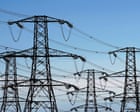
Independent Investigation Into Grid Operator Misconduct
Great Britain's grid operator has initiated a formal probe through an independent legal firm to examine serious allegations regarding how staff handled critical information about grid operator blackout risk during the nation's severe heat event. The investigation represents a significant step in addressing concerns raised by an internal whistleblower who claimed control room personnel may have deliberately obscured documentation related to stabilizing the power network.
Whistleblower Allegations Surface
The allegations emerged following record-breaking temperatures experienced across Great Britain in late June. According to the whistleblower account, control room staff allegedly received instructions to avoid creating written records of actions taken to maintain grid stability during this critical period. Such documentation gaps could potentially mask the true extent to which the nation's power infrastructure faced vulnerability to widespread blackouts.
These claims suggest a systematic approach to preventing the creation of paper trails that might reveal how precarious the situation became when demand for electricity surged due to extreme weather conditions. The grid operator blackout risk appears to have been more acute than publicly acknowledged at the time.
Government-Owned Entity Under Scrutiny
As a government-owned energy system operator, the organization maintains responsibility for ensuring Britain's electricity supply remains secure and reliable. The decision to bring in external legal counsel demonstrates the gravity with which leadership is treating these allegations. An independent external firm now has authority to investigate whether standard protocols were circumvented or whether proper channels for reporting critical infrastructure concerns were compromised.
The appointment of independent investigators signals a commitment to transparency, though it also underscores the seriousness of the concerns that prompted the inquiry. Internal processes may have failed to adequately capture and escalate warnings about power system vulnerabilities during the heatwave period.
Power System Vulnerability During Heat Events
During extreme weather conditions, Britain's power grid faces exceptional stress as cooling demand spikes dramatically. The late June heatwave pushed temperatures to levels that strained generating capacity and challenged demand management systems. Understanding exactly how close the grid operator blackout risk came to triggering actual outages is crucial for improving future preparedness.
Control room personnel occupy front-line positions in managing real-time grid conditions. Their decisions, assessments, and communications form the foundation of crisis response protocols. If proper documentation standards were not maintained, the resulting information gaps could compromise the organization's ability to learn from the incident and strengthen safeguards against future blackout scenarios.
Questions About Documentation Practices
The core allegation centers on whether staff were discouraged from maintaining contemporaneous records of their actions and decision-making processes. In critical infrastructure operations, comprehensive documentation serves multiple essential functions: it creates accountability mechanisms, enables post-incident analysis, supports training improvements, and provides evidence of compliance with regulatory requirements.
If the whistleblower's account is accurate, the absence of such records could represent a serious breach of operational governance standards. The grid operator blackout risk assessment systems depend fundamentally on accurate, complete information about what actually occurred during periods of system stress.
Investigation Scope and Timeline
The external legal firm will likely examine communications between control room staff, supervisory personnel, and senior management during the critical June period. Their investigation may also review whether any organizational directives existed that could have discouraged documentation, and whether staff members received informal guidance to minimize written records.
The inquiry aims to establish whether protocols were deliberately circumvented or whether documented gaps resulted from confusion about proper procedures during an emergency situation. The findings could have significant implications for how the grid operator conducts future crisis management and whether additional training or structural reforms are needed.
Implications for Energy Infrastructure Governance
This investigation touches on fundamental questions about transparency and accountability within Britain's critical energy infrastructure. The grid operator blackout risk cannot be properly managed if information about system vulnerability is obscured or inadequately recorded.
Going forward, the results of this independent inquiry will likely inform recommendations for strengthened oversight mechanisms, clearer documentation requirements, and improved whistleblower protections. The energy sector's ability to maintain public trust depends on demonstrated commitment to honest assessment of risks and transparent reporting of operational challenges.