
Heatwave Creates Bumpy Potatoes and Tanned Cauliflower in UK
Discover how UK heatwaves produce unusual-looking vegetables. Learn why wonky potatoes and tanned cauliflower are safe to eat and increasingly common.
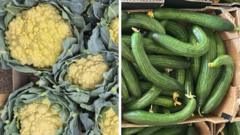
Understanding the Heatwave Vegetable Phenomenon
British consumers are increasingly encountering heatwave vegetables with distinctive appearances at their local supermarkets and farmers markets. The persistent heatwave conditions affecting the United Kingdom have fundamentally altered how certain crops develop, resulting in unusual-looking but perfectly edible produce. These heatwave vegetables showcase bumpy potatoes and distinctly tanned cauliflowers that differ markedly from conventionally grown specimens.
The Science Behind Wonky Potatoes
Agricultural experts explain that wonky potatoes emerge as a direct consequence of extreme weather patterns and irregular soil conditions during cultivation periods. When soil experiences inconsistent moisture levels due to prolonged heat, potatoes develop uneven surfaces and irregular shapes. These characteristic bumps and knobbles form as the tubers adapt to stress conditions beneath the ground. Despite their unusual exterior appearance, wonky potatoes maintain identical nutritional profiles and taste qualities compared to smooth, uniform varieties. Farmers and produce distributors note that consumers should recognize these imperfections as natural responses to environmental pressures rather than indicators of inferior quality.
Cauliflower Color Changes from Heat Exposure
Cauliflower exposed to intense heatwave conditions develops a distinctive sun-tanned appearance that surprises many shoppers accustomed to pristine white varieties. This pigmentation change occurs when florets receive excessive sunlight during development stages. The tanning effect indicates the plant has been working overtime to manage heat stress while maintaining nutritional integrity. Interestingly, sun-tanned cauliflower specimens often contain enhanced nutrient concentrations as the plant concentrates resources into protecting itself from environmental extremes. These vegetables remain completely safe for consumption and offer no adverse health effects whatsoever.
Climate Impact on British Agriculture
The recurring heatwaves sweeping across Britain have prompted significant shifts in how domestic agriculture operates and produces food. Repeated temperature extremes create unpredictable growing conditions that force crops to adapt rapidly. Heatwave vegetables represent nature's response to these challenging environmental circumstances. Agricultural professionals anticipate that British shoppers will encounter increasing quantities of unusually-shaped and colored produce as climate patterns continue shifting. This normalization of unconventional-looking vegetables reflects broader adaptations within the UK farming sector.
Food Safety and Nutritional Value
Regulatory agencies and food safety experts confirm that wonky potatoes and tanned cauliflower meet all established safety standards and quality requirements. The physical deformations caused by heatwave stress do not compromise nutritional content or introduce any harmful substances. These vegetables undergo identical safety protocols and inspections as conventional produce before reaching retail shelves. Consumers can confidently purchase and consume these unusual-looking items without concerns regarding food safety or nutritional deficiency. The only meaningful difference between heatwave vegetables and standard varieties lies in their aesthetic appearance.
What British Shoppers Should Expect
Grocery retailers and farmers markets throughout Britain should prepare customers for more frequent appearances of atypical-looking produce in coming seasons. Heatwave vegetables will likely become standard offerings rather than occasional novelties. This shift represents an important adjustment to consumer expectations and purchasing habits. Shoppers embracing these unusual varieties actively support local farmers and sustainable agricultural practices adapted to contemporary climate realities. Understanding why vegetables appear different helps consumers make informed purchasing decisions and appreciate the challenges facing modern agriculture.
Sustainability and Acceptance of Imperfect Produce
The prevalence of heatwave vegetables offers significant opportunities for reducing food waste and promoting sustainable consumption patterns. Rejecting perfectly nutritious produce based solely on appearance contributes to environmental degradation and unnecessary waste. British consumers increasingly recognize that accepting wonky potatoes and tanned cauliflower aligns with broader sustainability goals. Food retailers embracing imperfect produce help normalize natural agricultural variation and reduce pressure on farmers to maintain unrealistic aesthetic standards. This cultural shift represents progress toward more environmentally responsible and practical food systems.