
Indian Medical Exam Restaged: Heavy Security Measures After Paper Leak Scandal
Indian students retake medical entrance exam with unprecedented biometric security. Air Force deployed for exam paper protection following alleged leak allegati...
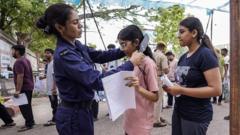
Enhanced Security Protocol for Rescheduled Medical Entrance Examination
Following allegations of a significant breach in examination integrity, Indian authorities have implemented stringent protective measures for the rescheduled medical exam, creating one of the most heavily fortified testing environments in the nation's educational history. The implementation of a medical exam paper leak response strategy has transformed the examination process into a comprehensive security operation involving multiple governmental agencies and advanced technological systems.
Deployment of Armed Forces for Examination Protection
In an unprecedented move, the Indian Air Force has been engaged to oversee and safeguard examination materials throughout the distribution and administration process. This decision underscores the gravity with which authorities are treating the alleged compromise of test papers, demonstrating a commitment to restoring public confidence in the examination system. The military's involvement ensures secure transportation of sensitive materials and prevents unauthorized access to question papers before they reach examination centers.
Comprehensive Biometric Verification Systems
Examination centers nationwide have installed advanced biometric identification technology to verify candidate authenticity and prevent impersonation. Every student entering the examination venue must undergo facial recognition scanning, fingerprint verification, and iris scanning procedures. These multi-layered biometric checks create a detailed digital record of each candidate's presence, making it virtually impossible to substitute test-takers or manipulate attendance records.
Additional Physical Security Measures
Beyond biometric technology, physical security protocols have been substantially strengthened. Candidates face rigorous frisking procedures similar to airport security screening, with metal detectors, electronic device checks, and thorough bag inspections at every entry point. This intensive screening process aims to eliminate any possibility of unauthorized materials, communication devices, or memory storage equipment entering examination halls.
Scale of the Rescheduled Examination
Millions of medical aspirants across India are participating in this rescheduled assessment, making it one of the largest standardized tests ever conducted with such extensive security arrangements. The logistical challenges of implementing uniform security protocols across hundreds of examination centers while processing vast numbers of candidates represent an enormous undertaking for educational authorities.
Coordination Between Multiple Agencies
The examination administration involves seamless coordination between civilian education officials, law enforcement agencies, military personnel, and intelligence services. This inter-agency collaboration ensures consistent implementation of security standards across all testing locations and maintains the integrity of the examination from beginning to end.
Investigation Into the Original Paper Leak
Parallel to the security enhancement efforts, investigators continue examining the circumstances surrounding the alleged initial breach. The investigation focuses on identifying how examination materials became compromised and which individuals or organizations may have been involved in the unauthorized disclosure. Such inquiries are critical for preventing similar incidents in future examinations.
Impact on Educational Integrity
The paper leak incident has raised significant concerns about the security frameworks protecting sensitive educational materials in India. Authorities have committed to conducting a comprehensive review of procedures governing examination paper production, storage, transportation, and distribution to identify vulnerabilities and implement corrective measures.
Candidate Preparation and Communication
Medical aspirants have received detailed guidelines explaining the security procedures they will encounter on examination day. Clear communication about required documentation, acceptable materials, arrival times, and venue-specific protocols helps candidates prepare appropriately and reduces delays at security checkpoints. Educational institutions and examination authorities have conducted information sessions to familiarize students with the enhanced procedures.
Technology and Surveillance Infrastructure
Examination halls are equipped with comprehensive surveillance systems featuring multiple camera angles, real-time monitoring capabilities, and recording devices. This technological infrastructure allows supervisors to maintain constant oversight of the testing environment and creates an audit trail of examination proceedings. The combination of physical security and electronic surveillance provides multiple layers of protection against unauthorized conduct.
Response to Public Concerns
The robust security implementation reflects governmental determination to address public concerns about examination fairness and equality. By demonstrating visible commitment to preventing future breaches, authorities aim to restore confidence among students, parents, and educators in the integrity of medical entrance examinations. The message is clear: maintaining examination sanctity is a matter of national importance requiring extraordinary protective measures.
Looking Forward: Long-Term Security Improvements
Beyond this specific examination, the incident has prompted discussions about implementing permanent improvements to examination security infrastructure. Proposals include enhanced digital safeguards, strengthened personnel vetting procedures, and more sophisticated tracking systems for examination materials throughout their lifecycle. These enhancements may establish new standards for how India conducts high-stakes examinations in the future.