
Infantino Unfazed by European Backlash Over Trump Intervention
FIFA president Gianni Infantino faces European criticism over Trump involvement, but remains politically insulated after a decade leading world football's gover...
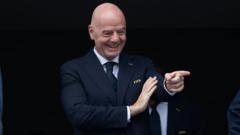
Political Resilience Despite Growing Criticism
The Infantino Trump intervention scenario has sparked considerable debate across European football circles, yet FIFA president Gianni Infantino appears unlikely to face serious consequences from the mounting backlash. After a decade steering world football's governing body through numerous crises, Infantino has cultivated a political position that seems resistant to external pressure, even from influential continental voices.
The recent tensions surrounding diplomatic involvement in football matters have renewed questions about Infantino's leadership and his willingness to engage with external political figures. However, historical precedent suggests that European opposition alone rarely translates into meaningful organizational change at FIFA's highest levels.
The Folarin Balogun Situation and Its Broader Implications
The Folarin Balogun controversy brought international player eligibility rules into sharp focus, creating a focal point for criticism against FIFA's administration. This incident highlighted potential vulnerabilities in Infantino's position, prompting observers to speculate whether accumulated grievances might finally shift the political calculus against him.
Yet the Balogun case, despite its prominence and the strong emotions it generated across European nations, has not catalyzed the kind of unified opposition necessary to challenge Infantino's authority. National football federations, while vocally critical, lack the coordinated mechanism to translate complaints into structural reform.
Why European Opposition Remains Insufficient
Several structural factors insulate Infantino from European backlash. First, FIFA's decision-making architecture disperses power across multiple voting blocs, with African, Asian, and South American federations commanding substantial influence. European complaints, however justified, represent only one geographical voice among many competing interests.
Second, Infantino has cultivated relationships with powerful national confederations beyond Europe, ensuring his political survival depends less on continental support than on maintaining broader coalition dynamics. His tenure has been marked by strategic navigation of these international relationships.
The Ten-Year Track Record
A decade as FIFA president has provided Infantino with institutional knowledge, established alliances, and precedent-setting decisions that have solidified his position. Early controversies that might have toppled a weaker leader were successfully managed through combination of reform announcements and judicious timing of policy initiatives.
The Infantino Trump intervention episode follows this established pattern. While generating headlines and diplomatic tension, it lacks the mobilizing force necessary to trigger organizational upheaval. European federation leaders may voice objections through official channels and media commentary, but few possess the political capital or organizational support to mount serious challenges.
Structural Limitations on Internal Reform
FIFA's governance structure, despite recent transparency efforts, remains concentrated in executive circles where Infantino exercises considerable discretion. Emergency procedures for removing leadership require extraordinary majorities and triggering mechanisms that rarely materialize in international sports governance.
The absence of traditional democratic accountability mechanisms means that even well-coordinated European opposition struggles to translate into institutional consequences. Infantino's position benefits from this structural reality, which was further entrenched during previous reform cycles that nominally increased democratic participation while preserving executive authority.
Looking Forward: Challenges Without Crisis
While the Infantino Trump intervention controversy demonstrates real tensions within international football governance, it appears unlikely to represent an inflection point in his tenure. European federation leaders will continue voicing concerns through established diplomatic and organizational channels, but these voices operate within a system designed to privilege incumbent leadership and centralized decision-making.
The Folarin Balogun situation and related controversies expose legitimate governance questions about FIFA's responsiveness to stakeholder concerns. However, addressing these systemic issues would require comprehensive organizational reform unlikely under Infantino's watch.
Ultimately, despite legitimate European backlash regarding Infantino's handling of high-profile decisions and external political engagement, the FIFA president's political position remains fundamentally secure. His decade-long tenure has provided sufficient institutional entrenchment to weather periodic criticism, even when that criticism emanates from powerful confederations representing global football's wealthiest markets. European football leadership's frustrations will likely persist without generating the organizational or political mechanisms necessary for meaningful change in FIFA's top leadership.