
Iran Closes Strait of Hormuz Following Military Actions Against Lebanon
Iran announces closure of the Strait of Hormuz in response to Israel's military operations in Lebanon, citing violations of US ceasefire agreements.
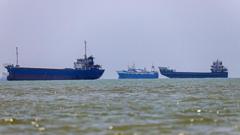
Iran Announces Strait of Hormuz Closure
The Iranian government has declared that the Strait of Hormuz is now closed, citing escalating military operations conducted by Israel against targets in Lebanon as the primary catalyst for this significant regional action. This decision regarding the Strait of Hormuz represents a major development in Middle Eastern geopolitics, with potential ramifications for global energy markets and international shipping routes.
Violation of Ceasefire Agreements
Iranian officials have characterized the ongoing Israeli military operations in Lebanon as a fundamental breach of existing diplomatic arrangements negotiated with the United States. According to Tehran's assessment, these actions violate the terms of an agreement intended to facilitate the cessation of hostilities in the region.
The Iranian government's position emphasizes that the continuation of Israeli military strikes represents a departure from previously established understandings regarding regional conflict de-escalation. This claim underscores the deteriorating diplomatic situation and the challenges facing international efforts to maintain stability.
Strategic Implications for Regional Security
The closure of the Strait of Hormuz carries profound implications for regional and global security dynamics. As one of the world's most critical maritime passages, the strait facilitates the transit of a substantial portion of global petroleum exports and represents a vital artery for international commerce.
Iran's assertion of control over this strategically vital waterway demonstrates its capacity to leverage geographical advantages in response to perceived threats and breaches of international agreements. The action reflects Tehran's determination to respond decisively to what it characterizes as Israeli transgressions against Lebanese sovereignty and stability.
International Response and Diplomatic Pressure
The announcement regarding the Strait of Hormuz closure has prompted immediate concern from international actors who depend on unobstructed passage through this critical maritime channel. Global markets have begun responding to the potential disruption of energy supplies and the uncertainty surrounding future shipping conditions.
Various nations and international organizations have begun assessing the implications of Iran's decision and considering diplomatic approaches to address the underlying tensions. The situation remains fluid, with both regional actors and global powers closely monitoring developments.
Historical Context of Strait of Hormuz Tensions
This is not the first instance of Iran asserting control or threats regarding the Strait of Hormuz. Historically, Iranian officials have periodically invoked the strategic importance of this waterway during periods of heightened international tensions, using it as a means of projecting power and securing negotiating leverage.
The current closure announcement must be understood within this broader historical context of Iranian regional strategy and the recurring pattern of escalation and de-escalation in Middle Eastern conflicts.
Impact on Energy Markets and Commerce
The potential disruption to Strait of Hormuz traffic represents a significant concern for energy-dependent economies worldwide. Oil prices and shipping insurance rates have already begun reflecting market uncertainty regarding Iran's intentions and the actual enforcement of this closure announcement.
Commercial enterprises involved in international trade and energy transport are reassessing their shipping routes and supply chain strategies in response to this development. The economic consequences of such disruptions extend far beyond the immediate regional area.
Looking Forward
As the situation develops, the international community faces pressing questions regarding the sustainability of current diplomatic frameworks and the mechanisms available for resolving the underlying Israeli-Iranian tensions that continue to destabilize the region. The future trajectory of the Strait of Hormuz situation will likely depend on whether diplomatic channels can successfully address the grievances cited by Iranian leadership and facilitate renewed commitments to ceasefire arrangements.