
Iran Proposes Opening Strait of Hormuz Within Six Days
Iran offers to open Strait of Hormuz in six days and resume nuclear talks if US lifts oil sanctions and ends regional conflicts including Lebanon.
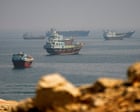
Iran's Strategic Proposal to Trump Administration
Iran has presented a significant proposal regarding the Strait of Hormuz, offering to open this critical waterway within six days in exchange for major concessions from the United States. The proposal represents a coordinated diplomatic initiative aimed at reshaping the relationship between Tehran and Washington under the Trump administration. According to Iranian officials, the government has communicated directly with Donald Trump outlining specific conditions that would need to be met for Iran to proceed with opening the Strait of Hormuz and initiating nuclear program negotiations.
Key Conditions of Iran's Proposal
The Iranian government has established clear prerequisites for implementing its proposal regarding the Strait of Hormuz. These conditions include the complete lifting of US sanctions on Iran's oil exports, a measure that would significantly impact Iran's economy and international trade capabilities. Additionally, Iran demands that the United States end military operations and support for conflicts across multiple fronts in the Middle East region, with specific emphasis on Lebanon where ongoing tensions have escalated in recent months.
Furthermore, Iran is requesting the release of previously frozen Iranian assets that have been held by international financial institutions and the US government. These financial resources represent substantial capital that Tehran views as essential for economic recovery and stability. The proposal indicates that Iran is willing to move quickly on nuclear diplomacy, with negotiations potentially beginning the day after the Strait of Hormuz is opened to international shipping.
Connection to Previous Agreements
The current initiative builds upon a memorandum of understanding that was signed between the United States and Iran in June of this year. That earlier agreement established a framework for addressing various bilateral issues, but the new proposal accelerates several key elements of that understanding. By offering to open the Strait of Hormuz and immediately commence nuclear talks, Iran is demonstrating a willingness to move negotiations forward at an unprecedented pace compared to previously agreed timelines.
The acceleration of nuclear program discussions has become possible through this new diplomatic framework. Rather than following the extended timeline that was originally negotiated, both parties could potentially achieve significant progress within days if Iran's conditions are met. This represents a substantial shift in the tempo of negotiations and reflects the urgency both nations may feel regarding outstanding disputes.
Implications for Global Energy Markets
The status of the Strait of Hormuz carries enormous significance for global energy security. This strategic waterway serves as a crucial transit point for international oil and natural gas shipments, with millions of barrels passing through daily. Any disruption to shipping through the Strait of Hormuz can have immediate and severe consequences for energy prices and economic stability worldwide. Iran's control over portions of this waterway gives it substantial leverage in international negotiations.
Opening the Strait of Hormuz would remove a major source of uncertainty in global energy markets. The possibility of renewed sanctions on Iran's oil exports has already influenced crude oil pricing and energy market speculation. A resolution to this situation could stabilize energy prices and reduce geopolitical risk premiums that currently affect the cost of oil and natural gas globally.
Regional Conflict Resolution
Iran's demand that the United States end the war on all fronts reflects broader concerns about regional stability in the Middle East. The reference to Lebanon indicates that Iran views conflicts throughout the region as interconnected challenges that require comprehensive resolution. This position suggests that Iranian leadership sees comprehensive regional peace as a prerequisite for normalizing relations with the United States.
The Lebanese theater has become increasingly significant in broader Middle Eastern geopolitics, with various parties supporting different factions and interests. Iran's insistence on including Lebanon in any agreement demonstrates how regional conflicts have become entangled with larger US-Iran bilateral disputes. Resolving these issues simultaneously rather than sequentially represents a significant change in diplomatic approach.
Timeline and Next Steps
According to Iran's proposal, the opening of the Strait of Hormuz would occur within six days of the agreement's implementation. The following day would see the commencement of nuclear program talks, creating an intensive diplomatic schedule. This compressed timeline reflects Iran's desire to move beyond the current impasse and establish a new foundation for bilateral relations.
The Trump administration's response to this proposal remains pending. The administration must weigh the benefits of accelerated negotiations against the concessions being demanded. The decision will likely involve consultations with regional allies and careful assessment of how the proposal aligns with broader US foreign policy objectives in the Middle East and globally.