
Israel Rejects Trump's 15-Point Gaza Plan, Netanyahu Demands Full Hamas Disarmament
Netanyahu rejects Trump's Gaza proposal, insisting Israel will maintain military operations until Hamas is completely disarmed. Read the latest Middle East conf...
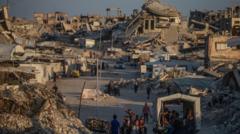
Israel Rejects Trump's Gaza Peace Initiative
In a significant diplomatic development, Israeli Prime Minister Benjamin Netanyahu has formally rejected Trump's 15-point Gaza plan, signaling continued tensions over the proposed framework for resolving the ongoing conflict. The Israeli government's dismissal of the plan marks another obstacle in international efforts to establish a comprehensive peace agreement in the region.
Netanyahu's rejection centers on a critical condition regarding Israel's military presence in Gaza. The Prime Minister emphasized that Israel rejects Trump's Gaza plan because it fails to adequately address Israel's security concerns, particularly regarding the complete disarmament of Hamas.
Netanyahu's Conditions for Military Withdrawal
The Israeli leader has laid out explicit conditions that must be met before any military pullout can occur. According to Netanyahu, Israeli forces will maintain their operational presence in Gaza until Hamas is "genuinely" and completely disarmed, making this a non-negotiable prerequisite for any agreement.
The Prime Minister's position reflects deep-seated concerns within Israel's security establishment about the sustainability of peace without verifiable assurances that Hamas can no longer pose a military threat. Netanyahu has consistently argued that premature withdrawal could invite renewed attacks and destabilize the region further.
Trump's 15-Point Proposal Under Scrutiny
The Trump administration's 15-point plan was presented as a comprehensive framework designed to address multiple aspects of the Gaza conflict. However, Israeli officials argue that the proposal does not sufficiently prioritize Israel's legitimate security requirements or account for the complexities of dismantling Hamas's extensive military infrastructure.
Netanyahu's administration suggests that the plan may have underestimated the challenges involved in achieving genuine disarmament of the militant organization, which has maintained a significant weapons cache and underground military network throughout the Gaza Strip.
International Diplomatic Efforts and Roadblocks
The rejection of Trump's proposal represents yet another setback in ongoing international diplomatic initiatives aimed at bringing stability to the region. Multiple parties have proposed various peace frameworks, each facing unique obstacles from the different stakeholders involved in the conflict.
Israel's insistence on complete Hamas disarmament as a precondition reflects the government's assessment that any agreement lacking this element would be fundamentally unstable and potentially dangerous to Israeli civilians and security interests.
The Reality of Gaza's Military Situation
Hamas maintains an extensive military apparatus that includes thousands of trained fighters, rocket manufacturing capabilities, and an elaborate underground tunnel system throughout Gaza. Complete disarmament would require unprecedented international oversight and verification mechanisms.
Netanyahu's stance aligns with the broader Israeli security doctrine, which prioritizes the elimination of threats to national security over rapid resolution of diplomatic disputes. The Prime Minister has indicated that Israel's military operations will continue until these fundamental security objectives are achieved.
Regional Implications and Ongoing Concerns
The continued military presence in Gaza has generated significant humanitarian concerns and criticism from international organizations. However, Netanyahu maintains that Israel's security needs supersede these concerns and that maintaining military control is essential for preventing future attacks.
The Israeli government has consistently stated that it welcomes genuine peace agreements, but only if they provide verifiable guarantees regarding the disarmament of Hamas and other militant organizations operating in the territory.
Looking Forward: Negotiations and Uncertainties
With Trump's 15-point plan facing rejection from Israel, the international community faces renewed uncertainty about the path forward. Future diplomatic efforts will likely need to address Netanyahu's specific security concerns more directly and propose verifiable mechanisms for confirming Hamas disarmament.
The rejection of this proposal underscores the complex nature of Middle Eastern peace negotiations, where security concerns, political considerations, and humanitarian needs often conflict. Until these fundamental issues are resolved to Israel's satisfaction, continued military operations in Gaza appear inevitable under Netanyahu's leadership.