
Microsoft's Quantum Computing Claims Face New Scientific Scrutiny
A leading researcher raises fresh concerns about Microsoft's Majorana quantum chip technology, challenging the tech giant's ongoing research claims and credibil...
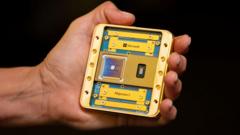
Emerging Doubts Surrounding Microsoft's Quantum Computing Initiative
A prominent member of the scientific community has come forward with renewed concerns regarding Microsoft's quantum computing development, specifically targeting the company's heavily promoted Majorana chip research. The latest questioning adds to the growing debate within academic and technological circles about the viability and legitimacy of Microsoft's approach to quantum advancement.
The Majorana Chip Development Program
Microsoft has invested substantial resources into developing technology based on Majorana fermions, theoretical quasiparticles that could theoretically enable more stable quantum computing systems. The company has publicly declared its confidence in this research direction for several years, positioning Majorana-based qubits as a potential breakthrough in quantum computation. However, this technological pathway continues to generate considerable discussion among specialists who question whether the claimed breakthroughs align with observed experimental results.
Persistent Skepticism from the Scientific Community
Various experts within quantum physics and computer science have expressed reservations about Microsoft's publicly stated achievements. These researchers argue that independent verification of key findings remains limited, raising questions about the transparency and reproducibility of the company's reported advances. The gap between promotional announcements and peer-reviewed publications has become a focal point for those scrutinizing the quantum computing claims emerging from Microsoft's laboratories.
Microsoft's Continued Confidence in Its Direction
Despite mounting criticism and repeated expressions of doubt from specialized researchers, Microsoft has maintained unwavering support for its Majorana-focused strategy. Company officials have consistently reaffirmed their commitment to this technological path, suggesting that detractors may be underestimating the complexity of quantum research and the timeline required for breakthrough innovations. The organization views ongoing skepticism as natural within emerging technology fields.
The Broader Context of Quantum Computing Competition
The debate over Microsoft's quantum computing claims occurs within a highly competitive landscape where multiple technology corporations and research institutions are pursuing different quantum approaches. Companies like IBM and Google have made their own announcements regarding quantum milestones, creating an environment where credibility and verifiable results carry significant weight. The scientific community increasingly demands rigorous documentation before accepting extraordinary claims about quantum technological progress.
Questions About Research Transparency
Critics have highlighted what they perceive as a discrepancy between Microsoft's public announcements about quantum computing breakthroughs and the availability of detailed technical documentation for independent evaluation. This concern about transparency extends to the methodology behind experiments, the handling of measurement errors, and the criteria used to validate claimed achievements. Establishing clear, verifiable standards for quantum computing progress has become increasingly important as investment in the sector continues to grow.
Moving Forward in Quantum Research
As the quantum computing field matures, the pressure for accountability and substantiated claims grows stronger. Microsoft's quantum computing research will likely face continued scrutiny from both competing organizations and independent scientific reviewers. The resolution of these debates will significantly influence not only Microsoft's position in quantum technology but also the credibility of the broader industry's progress claims and future funding decisions in this transformative technological domain.