
Military Bases to House 3,750 Asylum Seekers Across UK
Home Office plans to use military bases for asylum accommodation. Three new sites in Oxfordshire, Suffolk, and Yorkshire could house approximately 3,750 asylum...
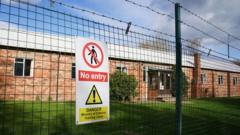
Military Bases Asylum Seekers: Expanding UK Accommodation
The Home Office has unveiled plans to utilize additional military bases for asylum seekers housing across the United Kingdom. This strategic initiative aims to address the growing need for accommodation infrastructure by repurposing existing military facilities. Military bases asylum seekers accommodation represents a significant shift in how the government manages housing for vulnerable populations awaiting immigration decisions.
Under this expansion program, three new locations have been identified as potential sites for asylum seeker facilities. These proposed military bases are situated in strategically important regions: Oxfordshire in the south, Suffolk in East Anglia, and Yorkshire in the north of England. If planning permissions are granted by local authorities, these three military installations could collectively accommodate approximately 3,750 asylum seekers.
Location Details and Capacity
Oxfordshire Site
The Oxfordshire military base represents one component of the Home Office's broader accommodation strategy. This location would serve as a reception and processing center for asylum seekers entering the system. The facility's capacity and infrastructure would enable the site to house a significant portion of the anticipated 3,750-person capacity across all three military bases.
Suffolk Installation
Suffolk's military facility offers additional advantages due to its location in East Anglia, providing easier access for individuals arriving through various entry points. The site would be adapted to meet the specific needs of asylum seeker populations, including basic amenities, medical facilities, and administrative areas for processing applications.
Yorkshire Facility
The Yorkshire military base completes the geographical distribution of the accommodation network. By establishing a northern facility, the Home Office ensures better regional coverage and reduces travel distances for asylum seekers distributed across different UK locations.
Home Office Housing Strategy
The Home Office has been actively exploring alternatives to traditional hotel accommodations for asylum seekers housing. Military bases offer several practical advantages, including pre-existing infrastructure, security systems, and administrative facilities. This approach follows previous initiatives where military installations were successfully converted for temporary accommodation purposes.
The conversion of military bases into asylum accommodation facilities requires careful planning and coordination between various government departments. Each site must undergo assessment to determine suitability, safety standards, and compliance with accommodation regulations established for asylum seeker facilities.
Planning Permission Requirements
Before any of these military bases can be utilized for asylum seeker accommodation, formal planning permissions must be secured from local planning authorities. This process involves consultation with local communities, environmental assessments, and compliance with building regulations. The three proposed locations in Oxfordshire, Suffolk, and Yorkshire must each complete this formal approval process independently.
Local authorities will evaluate factors including infrastructure capacity, environmental impact, community concerns, and the suitability of existing structures for residential accommodation. The planning process typically involves public consultation periods, allowing residents and stakeholders to voice opinions on the proposals.
Asylum Seekers UK: Current Context
The United Kingdom continues to receive significant numbers of asylum applications annually. The current accommodation system faces considerable pressure, with demand often exceeding available resources. By utilizing military bases, the Home Office aims to create additional capacity while reducing costs associated with commercial accommodation arrangements.
Asylum seekers in the UK typically receive temporary accommodation while their applications are processed. This period can extend from several months to several years, depending on case complexity. Providing adequate housing during this waiting period remains a significant challenge for immigration authorities.
UK Immigration Facilities: Expansion Plans
The proposal to expand asylum seeker housing through military bases forms part of a larger UK immigration strategy. The government has committed to managing immigration flows more effectively while ensuring humane treatment of vulnerable populations. These facilities would complement existing accommodation networks across England, Scotland, Wales, and Northern Ireland.
Infrastructure development in asylum accommodation requires substantial investment and careful resource allocation. Military bases provide a cost-effective solution, as many installations are underutilized and contain necessary amenities already in place. This approach enables faster implementation compared to constructing entirely new facilities.
Expected Timeline and Implementation
Once planning permissions are granted, the Home Office would begin preparing each military base for occupation. This preparation phase includes safety inspections, facility upgrades, staff training, and establishment of support services. The timeline for full implementation depends on the speed of planning approvals and the extent of modifications required at each location.
The 3,750 capacity represents a substantial addition to the existing asylum accommodation network. Successful implementation of all three sites would significantly enhance the government's ability to manage asylum seeker housing demands across different regions of the country.