
Nearly All Women on Small Boats Face Sexual Abuse
Home Secretary Shabana Mahmood warns of widespread sexual violence against female asylum seekers crossing the Channel. New data reveals trafficking dangers.
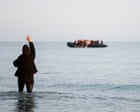
Home Secretary Issues Stark Warning on Asylum Seeker Exploitation
Women small boats traversing dangerous waters from northern France to reach the United Kingdom face a devastating reality, according to statements from Home Secretary Shabana Mahmood. The alarming findings reveal that the vast majority of female migrants attempting this perilous journey have experienced sexual violence at some point during their transit.
During an appearance on The Rest Is Politics podcast, Mahmood highlighted the critical vulnerabilities that women small boats passengers encounter. Her remarks underscore the systematic exploitation perpetrated by human trafficking networks who prey on vulnerable asylum seekers desperate to reach safety in British territory.
The Machinery of Human Trafficking Networks
The home secretary emphasized that people traffickers deliberately target asylum seekers, exploiting their desperation and lack of other viable options for migration. These criminal organizations capitalize on limited pathways for legal entry, forcing vulnerable individuals—particularly women—into dangerous situations where sexual abuse becomes an almost inevitable consequence of their journey.
Mahmood's warnings suggest that traffickers make calculated decisions about which migrants they will transport, prioritizing those they can maximize profit from or control through coercion. The systematic nature of these operations reveals an organized infrastructure designed to extract maximum value from human suffering.
Political Threats and Polarization
Beyond migration statistics, the home secretary addressed the broader political climate surrounding immigration policy. Mahmood revealed concerns about extremist elements gaining traction in political discourse, noting that far-right activists—some openly displaying symbols of their ideology—pose threats to democratic governance and individual safety.
In her podcast interview, she articulated apprehension about what could occur if such ideologies gained political power. According to Mahmood, individuals aligned with far-right movements have indicated intentions to fundamentally alter Britain's political landscape in ways that would marginalize officials like herself and compromise the rights of minority communities.
Asylum Policy and Border Control Implications
The home secretary's statements carry significant implications for how the United Kingdom approaches asylum seekers and border security. Her emphasis on the exploitation experienced by women small boats migrants suggests that migration policy cannot be separated from human rights considerations and protection mechanisms.
Current asylum seekers arriving via dangerous Channel crossings face not only the physical perils of maritime travel but also the predatory attention of criminal trafficking syndicates. The prevalence of sexual violence documented among female migrants indicates systemic failures in international protection frameworks and border management strategies.
International Context and Trafficking Routes
Northern France has become a staging point for migrants attempting to reach British shores, creating a concentration of vulnerable populations in specific geographic areas. Criminal networks exploit this geographical reality, positioning themselves as the only viable transportation option for desperate individuals seeking asylum.
The trafficking routes between France and the UK represent just one segment of broader international migration patterns. These pathways connect to global displacement crises, conflict zones, and regions experiencing economic instability where individuals feel compelled to undertake dangerous journeys.
Government Response and Prevention Strategies
Mahmood's public statements suggest the government recognizes the need for coordinated responses addressing both the push factors driving migration and the criminal elements facilitating dangerous crossings. Effective interventions require international cooperation, enhanced border security, and victim support services for those who have experienced trafficking and abuse.
The home secretary's focus on the experiences of women small boats passengers reflects acknowledgment that gender-specific vulnerabilities require targeted policy responses. Female asylum seekers face compounded risks due to gender-based violence, discrimination, and exploitation within trafficking networks.
Broader Implications for UK Immigration Policy
These revelations add urgency to ongoing debates about immigration reform, border security, and asylum processing. The prevalence of sexual violence among migrants attempting illegal entry raises questions about whether alternative legal pathways might reduce vulnerabilities and prevent exploitation.
As the United Kingdom continues developing its migration policy framework, the testimonies and data regarding the treatment of asylum seekers—particularly women—must inform decision-making processes. The government faces pressure to balance border security concerns with humanitarian responsibilities toward vulnerable populations fleeing persecution and violence.