
Nobby Stiles: Coroner Links Death to Football
Coroner confirms Nobby Stiles died from brain condition caused by repeatedly heading footballs. England's 1966 World Cup winner passed away in 2020.
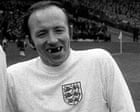
Legendary England Midfielder's Death Attributed to Football-Related Brain Damage
A coroner has determined that Nobby Stiles, the renowned England midfielder and member of the nation's triumphant 1966 World Cup team, died from a brain condition directly linked to the repeated heading of footballs throughout his professional career. The official ruling came years after Stiles passed away in 2020, marking a significant moment in the ongoing discussion about long-term neurological effects associated with football.
Stiles, widely recognized for his aggressive and committed style of play, became an iconic figure in English football history. His contributions to the World Cup victory were substantial, with teammate Geoff Hurst famously describing him as the "heart and soul" of that memorable winning squad. Despite his death occurring in 2020, the case was not initially referred to the coroner's office by the relevant authorities, causing a considerable delay in establishing the official cause of death.
The Significance of the Coroner's Finding
The coroner's recent decision represents an important acknowledgment of the potential dangers posed by repetitive heading in football. This ruling adds Nobby Stiles to a growing list of former footballers whose deaths have been linked to neurodegenerative conditions potentially caused by the cumulative impact of heading the ball during their playing careers. The finding has reignited conversations within the sport about player safety and the long-term health implications of certain football practices.
Stiles' case is particularly notable because it involves one of England's most celebrated players from a generation that did not have access to modern safety protocols or medical understanding regarding head injuries. During his playing days in the 1960s and beyond, the risks associated with heading were largely unrecognized and certainly not addressed through preventative measures or protective equipment.
Manchester United and International Career
Throughout his career, Stiles played for Manchester United and the England national team, establishing himself as a defensive powerhouse during an era when tactical awareness and physical commitment were paramount. His playing style, characterized by his tenacity and willingness to engage in physical battles on the pitch, exemplified the approach taken by many footballers of that generation. The cumulative effect of thousands of headers during training sessions and matches, combined with the heading techniques prevalent at the time, may have contributed to the neurological condition identified by the coroner.
Delayed Reporting and Coroner Investigation
One concerning aspect of this case is that Nobby Stiles' death in 2020 was not immediately reported to the coroner's office by the appropriate authorities. This administrative oversight delayed the formal investigation and official determination of the cause of death for several years. When the case eventually reached the coroner, a thorough examination led to the conclusion that the brain condition from which Stiles suffered was causally linked to his football career, particularly the practice of heading the ball.
This delay raises questions about protocols surrounding the reporting of deaths among former athletes and whether enhanced procedures might help identify patterns in sports-related health issues more promptly. The gap between Stiles' death and the coroner's ruling demonstrates potential gaps in how such cases are handled in the immediate aftermath of a person's passing.
Implications for Football and Player Health
The coroner's ruling regarding Nobby Stiles comes at a time when the football community is increasingly scrutinizing the relationship between heading and long-term neurological damage. Research has suggested that repetitive heading, especially when performed incorrectly or with inadequate neck strength, can contribute to cumulative brain injuries. Professional organizations and governing bodies have begun implementing guidelines regarding heading in youth football, though debate continues about appropriate measures for adult players.
Stiles' case provides a sobering real-world example of how the practices considered normal during an athlete's playing career may have unforeseen consequences decades later. As medical science advances and more evidence emerges about neurological conditions in former footballers, the sport may need to reconsider traditional aspects of training and play that were previously accepted without question.
Legacy and Awareness
Beyond the medical findings, Nobby Stiles remains celebrated as a pivotal member of England's World Cup-winning squad. His legacy encompasses both his on-field achievements and, now, his role in highlighting potential health risks within professional football. The coroner's confirmation that his brain condition was caused by football-related activities contributes to a broader understanding of the sport's long-term effects on player health and may influence future policies aimed at protecting athletes at all levels of competition.