
Offenders Transform West Midlands Canals Through Community Service
Discover how West Midlands offenders clean canals as a prison alternative. Community payback scheme offers innovative solution to overcrowding crisis.
An Alternative to Incarceration: The West Midlands Initiative
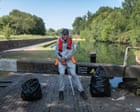
As the United Kingdom grapples with severe prison overcrowding challenges, a groundbreaking initiative in the West Midlands demonstrates how offenders cleaning canals can serve as a viable alternative to traditional custodial sentences. Rather than spending time behind bars, convicted individuals are being given the opportunity to contribute positively to their communities through meaningful work on waterway improvement projects around Smethwick.
This innovative approach represents a significant shift in how the criminal justice system handles non-violent offenders. Instead of adding to the strain on already overcrowded facilities, participants in this program work on environmental restoration projects that benefit the broader community while serving their sentences.
Understanding the Community Payback Scheme
The community payback initiative represents a comprehensive approach to criminal justice that extends far beyond the West Midlands. Across England and Wales, this scheme has demonstrated remarkable reach and effectiveness, accumulating an estimated five million hours of community service in the most recent year alone.
The program operates on a straightforward principle: convicted offenders contribute their labor to improve public spaces and infrastructure rather than remaining confined to prison cells. This model addresses multiple issues simultaneously—reducing prison overcrowding while ensuring that communities benefit from meaningful improvements to their local environments.
The Waterway Restoration Project in Smethwick
The specific initiative in Smethwick showcases what offenders cleaning canals can accomplish when given proper direction and supervision. Participants engage in various tasks related to canal maintenance, restoration, and improvement. These activities range from removing debris and vegetation to structural repairs and beautification efforts.
By transforming local waterways, offenders develop new skills while making tangible contributions to their communities. The canal restoration work creates visible results that improve quality of life for residents and enhance recreational opportunities for the broader public. This creates a sense of purpose and accountability that traditional incarceration often fails to provide.
Prison Overcrowding Crisis and Its Implications
The United Kingdom's prison system faces unprecedented challenges. Overcrowding has reached critical levels, with facilities operating far beyond their intended capacity. This situation creates dangerous conditions for both inmates and staff, while simultaneously compromising rehabilitation efforts.
The debate surrounding early releases and alternative sentencing options has intensified as officials search for sustainable solutions. Initiatives like the West Midlands canal cleaning project offer policymakers concrete evidence that alternative sentences can work effectively. Rather than simply releasing offenders early, programs that provide structured community service offer better outcomes for public safety and rehabilitation.
Rare Access to the Program
Media access to community payback programs remains limited, making the opportunity to observe offenders cleaning canals in the West Midlands particularly valuable. This transparency allows the public to understand how such initiatives operate and assess their effectiveness firsthand.
Participants in the program work under supervision while engaging in physically productive labor. The structured nature of community payback ensures accountability while providing opportunities for personal development. Many offenders report that the experience gives them a sense of accomplishment and connection to their communities that imprisonment does not provide.
Community Benefits and Social Impact
The ripple effects of having offenders cleaning canals extend throughout local communities. Smethwick residents benefit from improved waterway conditions, enhanced public spaces, and visible evidence of criminal justice reform in action. These improvements often increase property values and community pride while demonstrating that the criminal justice system can serve restorative purposes.
Environmental improvements resulting from community payback work contribute to broader sustainability goals. Restored waterways support local ecosystems, provide recreational opportunities, and enhance the aesthetic appeal of neighborhoods. This dual benefit—serving justice while improving the environment—makes the program particularly effective.
Looking Forward: Expanding Alternative Sentencing
As prison overcrowding continues to challenge the system, expanding programs where offenders cleaning canals and performing other community service become increasingly important. The success of initiatives in the West Midlands suggests that community payback schemes could be scaled up to address broader systemic issues.
Policymakers increasingly recognize that alternative sentences serve multiple purposes: they reduce prison populations, provide meaningful punishment and rehabilitation, and deliver tangible community benefits. The community payback scheme represents a pragmatic response to the incarceration crisis while promoting rehabilitation and social responsibility.
The experience in the West Midlands demonstrates that there are effective alternatives to traditional imprisonment. By investing in community service programs and expanding access to initiatives like canal restoration projects, the criminal justice system can better serve both offenders and the communities they impact.