
Oil Prices Decline Amid Strait of Hormuz Reopening Prospects
Oil prices fall as US officials announce progress in talks to reopen the Strait of Hormuz, potentially resuming critical shipping routes and easing global energ...
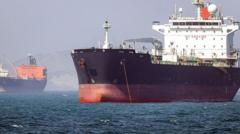
Oil Prices Fall on Strait of Hormuz Reopening Prospects
Crude oil prices have experienced a notable decline as oil prices fall following positive developments in international negotiations. US Secretary of State Marco Rubio and Treasury Secretary Scott Bessent both announced that discussions have reached a critical juncture, with meaningful progress achieved toward reopening the strategically vital Strait of Hormuz. This waterway serves as one of the world's most essential petroleum corridors, and any disruption to its operations significantly impacts global energy stability.
US Officials Announce Diplomatic Breakthrough
The announcements by Rubio and Bessent represent a significant diplomatic achievement in ongoing negotiations aimed at resolving geopolitical tensions affecting international trade. Both officials indicated that talks have progressed sufficiently to permit the resumption of critical shipments through the contested passage. Their statements underscore the commitment of the United States to facilitating the free flow of commerce and stabilizing volatile energy markets worldwide.
Secretary of State Marco Rubio's Position
Secretary Rubio emphasized the importance of maintaining open maritime commerce and confirmed that negotiating parties have demonstrated willingness to move forward with confidence-building measures. His remarks reflected an optimistic assessment of the diplomatic process, suggesting that technical and political obstacles previously blocking agreement have begun to yield to constructive dialogue.
Treasury Secretary Scott Bessent's Perspective
Treasury Secretary Bessent addressed the economic implications of the potential reopening, noting that successful resolution of this dispute would have stabilizing effects on global petroleum markets and the broader international economy. His involvement in the negotiations highlights the economic significance of the Strait of Hormuz to global trade and financial systems.
Impact on Global Energy Markets
The prospect of resumed shipments through the Strait of Hormuz has already influenced market sentiment, contributing to the decline in crude oil prices. When oil prices fall due to increased supply expectations, consumers benefit from reduced fuel costs at the pump, while energy-dependent industries gain relief from elevated operational expenses. Conversely, energy-producing nations face pressure on their export revenues, creating complex economic dynamics across multiple sectors.
Strategic Importance of the Strait
The Strait of Hormuz remains one of the most critical maritime chokepoints globally, with approximately one-fifth of the world's petroleum shipments passing through its narrow channel annually. Any disruption to transit through this waterway triggers immediate price volatility and supply chain disruptions affecting economies worldwide. The successful reopening of this passage would eliminate one of the most significant risk premiums currently priced into crude oil markets.
Market Response and Future Outlook
Energy markets have reacted positively to news of diplomatic progress, with traders reducing their hedges against supply disruptions. Forward-looking indicators suggest that if negotiations conclude successfully, further downward pressure on oil prices may materialize as market participants adjust their expectations for future supply availability. However, analysts caution that sustained progress depends on maintaining diplomatic momentum and addressing underlying geopolitical concerns that initially prompted the Strait's closure or restrictions.
Broader Implications for International Trade
The reopening of shipping routes through the Strait of Hormuz extends beyond petroleum markets, affecting global commerce in liquefied natural gas, containerized goods, and other critical commodities. Energy-intensive industries, including manufacturing, transportation, and chemical production, stand to benefit from lower input costs and enhanced supply security. Financial markets have also responded positively, with investors viewing the development as reducing systemic risks to the global economy.
As negotiations continue, stakeholders across the energy sector, government agencies, and international organizations monitor developments closely, hoping that diplomatic progress translates into concrete agreements that restore full, unrestricted access to this essential maritime corridor.