
Pakistan Hospital Fire Tragedy: 14 Infants Perish in Devastating Blaze
A devastating fire at a Pakistani hospital killed 14 babies in the neonatal ward. Witnesses claim the ward door was locked, while hospital officials deny the al...
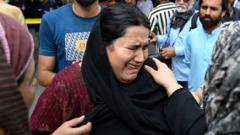
Pakistan Hospital Fire Claims Lives of 14 Babies
A catastrophic Pakistan hospital fire has resulted in the tragic deaths of 14 infants in the neonatal care unit, prompting immediate investigations into the circumstances surrounding the incident. The devastating blaze has raised serious concerns about safety protocols and emergency procedures at medical facilities across the country. Authorities and international observers are now scrutinizing the events that unfolded during this heartbreaking tragedy that has left families devastated and the nation in mourning.
Eyewitness Accounts Challenge Hospital's Version of Events
Multiple witnesses present at the facility during the incident have provided conflicting accounts of what transpired. Eyewitnesses have stated that the ward entrance was secured with a locked door, potentially hindering evacuation efforts and emergency response operations. These testimonies have become central to the investigation, as they contradict the official narrative provided by hospital administration regarding access and security measures.
The discrepancy between witness statements and hospital declarations has intensified scrutiny from regulatory bodies and human rights organizations. Families of the deceased infants have demanded transparency and a thorough investigation into whether inadequate safety measures contributed to the loss of life.
Hospital's Official Response and Security Claims
Hospital officials have categorically denied allegations that the neonatal ward door was locked during the fire. In statements provided to international media outlets, the institution's representatives maintained that the entrance was not secured but rather staffed with trained security personnel. According to the hospital's account, security guards were strategically positioned at the ward entrance to manage access and protect the vulnerable infant patients.
The hospital administration has emphasized that their security measures were implemented specifically to safeguard the infants and maintain controlled access to the highly sensitive neonatal area. Officials argue that the presence of security personnel was a standard protective measure, not a restriction that would prevent emergency evacuation during a crisis situation.
Investigation into Fire Safety Protocols
The hospital safety investigation has expanded to examine comprehensive emergency procedures and fire prevention systems in place at the facility. Inspectors are reviewing whether the institution complied with national and international standards for fire safety in healthcare settings, particularly those housing critically vulnerable populations such as newborns.
Key areas of investigation include the functionality of fire detection systems, the adequacy of emergency lighting, the accessibility of emergency exits, and the training level of staff regarding evacuation protocols. Preliminary assessments suggest potential gaps in emergency preparedness that may have contributed to the severity of the tragedy.
Broader Implications for Healthcare Safety Standards
This tragic incident has sparked a nationwide conversation about fire safety regulations in Pakistani hospitals and healthcare institutions. Medical facilities across the country are being urged to conduct immediate safety audits and strengthen their emergency response capabilities. The tragedy has exposed potential systemic vulnerabilities in how healthcare infrastructure addresses fire hazards and emergency scenarios.
Government health officials have announced plans to implement stricter safety inspections and updated fire safety guidelines for all hospitals operating within the nation. The focus will be on ensuring that no healthcare facility compromises emergency evacuation procedures in pursuit of security or access control measures.
Community Response and Demands for Accountability
The devastating loss of these 14 infants has united bereaved families in demanding comprehensive reforms and accountability from hospital management. Community leaders and advocacy groups are calling for independent investigations and transparent reporting of findings. The incident has become a catalyst for broader discussions about infant mortality prevention and the importance of maintaining robust safety standards in neonatal care units.
International medical organizations have also weighed in on the tragedy, emphasizing the critical importance of balancing security measures with life-saving accessibility in healthcare environments. They stress that no security protocol should ever compromise the ability to rapidly evacuate patients during emergency situations.
Moving Forward: Prevention and Reform
As investigations continue, healthcare administrators and policymakers are collaborating to develop enhanced safety frameworks that protect both patient welfare and facility security. The goal is to establish protocols that do not create potential barriers to emergency response while maintaining appropriate access control measures. Training programs for hospital staff will be enhanced to ensure all personnel understand the hierarchy of priorities when managing emergencies in pediatric units.
The tragic Pakistan hospital fire serves as a sobering reminder of the critical importance of rigorous safety standards and transparent operational practices in medical institutions. This devastating event will likely reshape how hospitals throughout the region approach the delicate balance between security and emergency preparedness, particularly in units caring for the most vulnerable patients.