
Parasite Outbreak Source Identified in Michigan Salad Greens
Michigan health officials pinpoint salad greens and lettuce as potential sources of cyclosporiasis outbreak. Investigation ongoing into parasitic infection case...
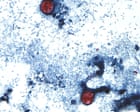
Michigan Officials Trace Cyclosporiasis Outbreak to Produce
State health authorities in Michigan have announced a significant breakthrough in their investigation of a cyclosporiasis outbreak, identifying fresh produce as a likely culprit. The Michigan Department of Health and Human Services released findings Monday indicating that lettuce and salad greens represent the primary suspect in the cyclosporiasis outbreak affecting numerous residents across the state. This parasitic infection, characterized by severe gastrointestinal symptoms, has prompted immediate action from state officials seeking to protect public health.
Understanding the Cyclosporiasis Outbreak
Cyclosporiasis stands as a concerning parasitic illness transmitted through contaminated food and water sources. Those infected experience significant discomfort, including persistent watery diarrhea, reduced appetite, and unintended weight loss. The cyclosporiasis outbreak has raised alarm among health officials and consumers alike, underscoring the importance of food safety protocols and produce handling practices throughout the supply chain.
The investigation into this cyclosporiasis outbreak represents a collaborative effort between state agencies and public health specialists working to contain the spread and identify all affected individuals. Early epidemiological data collected during the investigation strongly suggests a connection between illness cases and consumption of specific produce items, though authorities acknowledge the need for continued scrutiny.
Preliminary Findings Point to Salad Greens
According to the official statement released by Michigan's health department, preliminary investigation results "point to lettuce or salad greens as a potential source for this outbreak." These early findings emerged from systematic analysis of patient histories and consumption patterns among affected individuals. However, health officials emphasized that while salad greens appear to be primary suspects in the cyclosporiasis outbreak, the investigation remains open to other possible sources.
The identification of salad greens in connection with this cyclosporiasis outbreak represents an important step toward understanding transmission routes and preventing further contamination. State investigators conducted thorough reviews of food procurement, handling, and distribution channels to trace the outbreak's origin. The focus on fresh produce underscores how vulnerable these items can be to parasitic contamination during cultivation, processing, or transportation stages.
Investigation Status and Public Health Response
Michigan health authorities stressed that their investigation into the cyclosporiasis outbreak remains active and evolving. While lettuce and salad greens emerged as leading suspects, investigators cautioned against prematurely excluding other potential food sources. This measured approach reflects standard epidemiological practice when addressing foodborne illness investigations, where multiple contributing factors may exist.
The response to this cyclosporiasis outbreak demonstrates coordinated efforts between state and local health departments, food safety agencies, and healthcare providers. Hospitals and medical facilities throughout Michigan have been alerted to symptoms associated with cyclosporiasis and instructed to report suspected cases promptly. This surveillance system enables authorities to track the outbreak's progression and identify patterns that might reveal additional contamination sources.
Symptoms and Health Implications
The cyclosporiasis outbreak has prompted public health messaging regarding infection symptoms. Individuals who have consumed potentially contaminated salad greens or lettuce in recent weeks should remain alert for gastrointestinal distress. Symptoms of cyclosporiasis infection typically emerge within days of pathogen exposure and include severe watery diarrhea, diminished appetite, abdominal cramping, and progressive weight loss.
Healthcare providers treating patients with cyclosporiasis symptoms are obtaining detailed dietary histories to support the ongoing investigation. This information aids epidemiologists in mapping the extent of the cyclosporiasis outbreak and identifying additional contaminated products that may remain in distribution channels.
Recommendations for Consumers
While investigations continue regarding the cyclosporiasis outbreak source, health officials have not issued mandatory produce recalls but remain vigilant for new developments. Consumers concerned about potential exposure should practice thorough produce washing and consider the origin of their lettuce and salad greens purchases. Those experiencing symptoms consistent with cyclosporiasis infection are urged to consult healthcare providers for appropriate testing and treatment.
The Michigan health department maintains contact with federal agencies and other states to determine whether this cyclosporiasis outbreak extends beyond state borders. Such coordination helps establish whether contamination originated from a single source affecting multiple regions or represents localized incidents requiring different mitigation strategies.