
Plug-in Solar Panels: What You Need to Know About This Energy Revolution
Discover how plug-in solar panels are transforming home energy. Learn what UK government projections reveal about cutting bills and sustainability benefits.
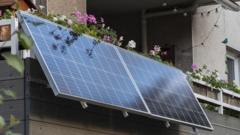
Plug-in Solar Panels: The Future of Residential Energy Is Here
Plug-in solar panels represent a significant advancement in residential renewable energy technology, offering homeowners an accessible and straightforward solution to reduce their electricity consumption. These innovative devices are set to become increasingly available in retail locations throughout the country, marking a pivotal shift in how consumers approach household energy management. The UK government has highlighted that plug-in solar panels could enable households to significantly cut their energy bills while contributing to broader sustainability objectives.
Understanding Plug-in Solar Panel Technology
Unlike traditional solar installations that require professional setup and integration into a property's electrical systems, plug-in solar panels function as standalone units that homeowners can deploy with minimal technical expertise. These devices typically consist of small solar panel arrays that can be placed on balconies, patios, garden spaces, or windowsills, generating electricity that feeds directly into household circuits through standard plug sockets.
The design of plug-in solar panels prioritizes convenience and accessibility. Users can position these units in locations that receive optimal sunlight exposure, allowing for flexible installation without the need for roof modifications or permanent structural changes. This adaptability makes them particularly suitable for renters, apartment dwellers, and homeowners who prefer non-invasive energy solutions.
Government Projections and Energy Savings
The UK government's assessment suggests that plug-in solar panels could deliver meaningful reductions in household energy expenditure. According to official projections, properties utilizing this technology could substantially lower their annual electricity costs, particularly during peak daylight hours when solar generation is most productive. These projections underscore the practical value of adopting plug-in solar panels as a household energy strategy.
Energy savings will vary depending on multiple factors including geographic location, seasonal weather patterns, the number of panels deployed, and individual household consumption patterns. Homes in southern regions typically experience greater energy generation potential due to increased solar radiation exposure compared to northern areas.
Benefits Beyond Cost Savings
Beyond the direct financial advantages, plug-in solar panels contribute to environmental sustainability by reducing reliance on grid-supplied electricity, which frequently derives from fossil fuel sources. By integrating renewable energy generation into residential settings, homeowners actively participate in decarbonizing the energy sector while lowering their environmental footprint.
The widespread adoption of plug-in solar panels also strengthens energy independence at both household and national levels. As more properties generate their own electricity, overall demand pressure on the national grid decreases, enhancing system resilience and stability during peak consumption periods.
Retail Availability and Consumer Access
The increasing presence of plug-in solar panels in retail environments represents a democratization of renewable energy technology. By making these devices available through conventional shopping channels rather than exclusively through specialized installers, manufacturers are removing barriers to consumer adoption and expanding market accessibility significantly.
Installation and Practical Considerations
Homeowners considering plug-in solar panels should evaluate their property's sun exposure, available installation space, and current electricity usage patterns. The systems require minimal maintenance and generate power consistently throughout daylight hours, with performance varying seasonally based on weather conditions and sun angle variations.
Consumers should also investigate local regulations and grid connection protocols, as some regions implement specific requirements for household-scale solar installations. Understanding these parameters ensures compliance and optimizes system performance.
The Path Forward for Residential Energy
Plug-in solar panels represent a practical, accessible entry point into renewable energy adoption for mainstream consumers. As technology continues advancing and retail distribution expands, these systems are poised to become standard household equipment, fundamentally reshaping how residential properties manage their energy consumption and environmental responsibilities.