
Port of Rotterdam Under Pressure to Accelerate Green Energy Transition
Legal action intensifies demands for Port of Rotterdam to reduce fossil fuel dependency and accelerate environmental transformation efforts.
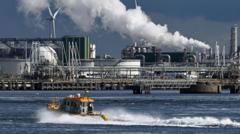
Port of Rotterdam Faces Legal Pressure for Environmental Transformation
The Port of Rotterdam, Europe's largest maritime hub, is confronting significant legal challenges demanding a faster pivot toward sustainable operations and a decisive reduction in its reliance on fossil fuel companies. A recently filed lawsuit has intensified scrutiny of the port's environmental commitments, forcing stakeholders to reconsider the timeline and scope of the facility's ecological transformation.
Growing Environmental Accountability
The Port of Rotterdam green transition has become a focal point for climate advocates and legal experts who argue that current measures are insufficient to meet European environmental standards. The lawsuit represents a critical moment for the terminal, which handles millions of containers annually and serves as a vital economic engine for the region. Environmental groups contend that the port must demonstrate tangible progress in reducing carbon emissions and phasing out partnerships with petroleum and gas enterprises.
The Legal Challenge and Its Implications
The legal action encompasses multiple environmental concerns related to the port's operational practices and its continued association with conventional energy sectors. Plaintiffs argue that the Port of Rotterdam has delayed necessary investments in renewable infrastructure and clean technology adoption. The lawsuit seeks to establish enforceable deadlines for transitioning away from fossil fuel dependencies, marking a shift toward judicial intervention in corporate sustainability matters.
Port Sustainability Under Examination
Europe's primary maritime gateway must now address fundamental questions about its environmental strategy and corporate responsibility. Industry analysts suggest that the Port of Rotterdam's response to this lawsuit will establish precedent for other major European harbors facing similar pressures. The facility has previously announced commitments to carbon neutrality, but critics contend these pledges lack concrete implementation mechanisms and realistic timelines.
Existing Environmental Initiatives
The port has invested in various sustainability programs, including shore power connections for docked vessels, hydrogen infrastructure development, and partnerships with renewable energy operators. However, these efforts coexist with the port's continued handling of petroleum products and coordination with conventional energy suppliers. This apparent contradiction forms the crux of the legal challenge, as stakeholders question whether incremental improvements sufficiently address the climate crisis.
Energy Transition Requirements
The energy transition debate surrounding the Port of Rotterdam reflects broader European policy objectives to achieve climate neutrality by 2050. Maritime transportation accounts for approximately three percent of global greenhouse gas emissions, making port operations crucial to achieving continental environmental goals. The lawsuit argues that the Port of Rotterdam must accelerate its energy transition independently rather than waiting for comprehensive regulatory frameworks to mandate change.
Financial and Economic Considerations
Transitioning toward green operations requires substantial capital investment and potential restructuring of established business relationships. The port's management faces the challenge of balancing environmental imperatives with economic viability and maintaining competitiveness against rival maritime facilities. Analysts suggest that embracing accelerated sustainability measures could enhance the port's long-term market position by attracting environmentally conscious shipping companies and international clients prioritizing carbon-neutral logistics.
Stakeholder Perspectives and Reactions
Environmental organizations have welcomed the legal action as necessary pressure to force meaningful change. Port authorities, meanwhile, emphasize ongoing commitments to sustainability while cautioning against unrealistic timelines that could compromise operational capacity. Shipping companies using the Port of Rotterdam express varying views, with some supporting accelerated green initiatives and others concerned about potential cost increases and operational disruptions.
Industry Standards and Competitive Pressures
The Port of Rotterdam's environmental challenges occur within a context of increasing regulatory expectations across European maritime hubs. Competing facilities are simultaneously implementing sustainability measures, creating competitive dynamics that could influence the port's strategic decisions. The lawsuit effectively raises stakes for environmental performance across the entire sector.
Looking Forward: Path to Resolution
The resolution of this legal challenge will likely determine the Port of Rotterdam's operational trajectory for the coming decade. Port management faces mounting pressure to articulate detailed timelines for eliminating fossil fuel company partnerships and scaling up renewable energy infrastructure. Legal experts predict that the outcome could establish precedent influencing sustainability requirements at international maritime facilities.
The Port of Rotterdam's response to these environmental demands will demonstrate whether Europe's largest port can effectively balance economic interests with climate imperatives. Stakeholders across government, business, and civil society await developments that could reshape European maritime sustainability standards for years to come.