
RAF Typhoons to Shield Saudi Arabia Against Houthi Missile Attacks
UK deploys RAF Typhoon fighters to protect Saudi Arabia from Houthi attacks. Latest update on defensive missions over critical infrastructure and cities.
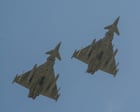
RAF Typhoons Deploy for Saudi Arabia Protection
The United Kingdom has announced a significant military operation involving RAF Typhoon fighters aimed at defending Saudi Arabia against escalating Houthi attacks on the nation's strategic assets. This deployment represents one of the most consequential defense initiatives approved under the current administration, showcasing Britain's commitment to regional stability and counter-terrorism efforts in the Middle East.
RAF Typhoon fighters will undertake defensive aerial missions across Saudi Arabia, specifically protecting major cities and vital infrastructure from sustained drone and missile assaults conducted by Yemen's Houthi movement. The operation marks a substantial expansion of Western military engagement in the ongoing regional conflict, positioning RAF pilots on the frontlines of air defense operations.
Mission Objectives and Strategic Importance
The primary objective of this RAF Typhoon deployment centers on intercepting and neutralizing Houthi aerial weapons before they reach their intended targets. Recent months have witnessed numerous coordinated attacks against Saudi infrastructure, with particular focus on aviation hubs and petroleum facilities that remain critical to regional economic stability and global energy markets.
RAF pilots participating in this mission will operate sophisticated air defense systems designed to track, identify, and eliminate hostile aircraft and unmanned aerial vehicles. The Typhoon platform, renowned for its advanced combat capabilities and multi-role flexibility, provides the technological advantage necessary for sustained protective operations across diverse operational environments.
Houthi Threat Assessment
Yemen's Houthi movement has demonstrated increasing operational sophistication in developing and deploying long-range missiles and reconnaissance drones capable of penetrating Saudi Arabian airspace. Previous attacks have successfully targeted commercial airports, military installations, and oil production facilities, causing significant economic disruption and prompting international concern regarding maritime security and energy supply chains.
The threat posed by Houthi attacks extends beyond immediate physical destruction, encompassing broader geopolitical ramifications for regional allies and international security interests. Sustained defensive measures became necessary to maintain strategic balance and protect civilian populations alongside critical economic infrastructure.
Western Allied Coordination
This RAF deployment occurs within the broader context of increased Western military intervention across Yemen and surrounding regions. Multiple allied nations have contributed naval, air, and intelligence resources to counter Houthi capabilities, representing a coordinated international response to perceived threats against regional stability.
The decision to significantly enhance British military presence reflects consensus among Western powers regarding the necessity of direct intervention. Intelligence sharing, logistical coordination, and joint planning mechanisms ensure RAF operations complement existing allied efforts while maintaining strategic coherence throughout the intervention framework.
Operational Framework and Command Structure
RAF Typhoon squadrons will operate under established command protocols integrating with broader Saudi Arabian air defense networks. Coordination mechanisms between British military commanders and Saudi counterparts ensure unified operational direction while respecting national sovereignty and established defense agreements.
The deployment involves comprehensive logistical support including maintenance facilities, ammunition supplies, and personnel rotations necessary for sustained operations. Advanced radar systems and ground-based detection networks will provide real-time situational awareness, enabling rapid response capabilities against emerging aerial threats.
Political and Strategic Implications
Approval of this significant military mission demonstrates governmental commitment to preserving regional partnerships and maintaining strategic influence across the Middle East. The operation signals resolve to counter Houthi aggression while supporting valued Saudi Arabian allies in their defense efforts against non-state actors operating from Yemeni territory.
This intervention level represents escalated engagement compared to previous advisory and support roles, placing RAF personnel in direct combat operations. The decision carries substantial political weight, reflecting careful assessment of strategic benefits against potential risks and international diplomatic considerations.
Future Outlook and Operational Duration
While specific deployment timelines remain subject to operational requirements and political review, planners anticipate sustained RAF engagement as long as Houthi threat levels warrant active defense measures. Regular assessments will evaluate mission effectiveness, force requirements, and strategic objectives alignment.
The deployment of RAF Typhoon fighters represents a pivotal moment in British military commitment to Middle Eastern security architecture. Success in this mission may establish precedent for expanded Allied cooperation in regional defense initiatives while demonstrating Western capabilities to counter emerging asymmetric threats challenging conventional military establishments.