
Robotic Surgery Revolution: Surgeons Control Humanoid Robots Remotely in Operating Room
Surgeons successfully operate remotely controlled humanoid robots in operating theatre, revolutionizing surgical precision and expanding possibilities in roboti...
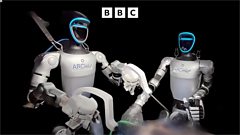
Breakthrough in Remote-Controlled Surgical Robotics
A groundbreaking achievement in robotic surgery has emerged as experienced surgeons successfully demonstrated the ability to remotely manipulate two anthropomorphic robots within a modern operating theatre environment. This significant development represents a paradigm shift in how surgical procedures can be performed, opening unprecedented pathways for precision-based medical interventions across diverse clinical scenarios.
The successful implementation of robotic surgery utilizing human-like robotic systems showcases the remarkable convergence of advanced engineering, artificial intelligence, and medical expertise. Surgeons working from remote stations orchestrated complex movements and surgical actions through the humanoid robots, maintaining complete control and precision throughout the procedure. This technological milestone demonstrates that distance no longer presents a barrier to delivering high-quality surgical care.
How Remote-Controlled Robotic Systems Transform Surgical Practice
The deployment of remote controlled robots in surgical settings introduces multiple transformative advantages to the medical profession. Surgeons can now perform delicate operations while maintaining ergonomic positioning and reducing physical strain that traditionally accompanies prolonged surgical procedures. The humanoid design of these robots enables intuitive movement patterns that mirror natural surgical motions, facilitating seamless integration into existing operational workflows.
These humanoid surgical robots feature sophisticated sensory feedback mechanisms, allowing surgeons to perceive tactile information and environmental conditions in real-time. The haptic technology integrated into the remote control systems ensures that operators receive immediate sensory responses, replicating the natural feedback surgeons experience during conventional procedures. This sensory integration proves critical for executing microsurgical techniques requiring exceptional precision and dexterity.
Implications for Future Healthcare Delivery
The successful operation of robotic surgery systems represents a pivotal moment in medical technology advancement. Healthcare institutions worldwide are now recognizing the potential for deploying these sophisticated machines to enhance surgical outcomes, reduce procedure duration, and minimize patient recovery periods. Surgeons positioned remotely can access specialist expertise globally, effectively eliminating geographical constraints that previously limited patient access to advanced surgical interventions.
The integration of humanoid surgical robots into operating theatre environments opens possibilities for training purposes as well. Medical students and surgical residents can observe and participate in procedures conducted by master surgeons without requiring physical presence in the same location. This democratization of surgical knowledge accelerates the development of new surgical talent and disseminates best practices across international medical communities.
Technical Specifications and Operational Advantages
The remote controlled robots employed in these groundbreaking demonstrations possess remarkable technical capabilities that distinguish them from earlier robotic surgical systems. Enhanced dexterity, improved speed of response, and superior spatial awareness enable these machines to perform intricate surgical tasks with consistency and accuracy. The anthropomorphic design facilitates intuitive control mechanisms, allowing surgeons to operate the systems using natural movement patterns developed throughout their medical careers.
Stability and precision represent paramount concerns in surgical applications, and the engineering teams behind these humanoid surgical robots have implemented advanced stabilization algorithms that compensate for micro-tremors and environmental variations. Real-time image processing and augmented reality overlays provide surgeons with enhanced visualization capabilities, enabling them to perceive anatomical structures with unprecedented clarity even when working remotely.
Overcoming Current Limitations and Future Development
While the successful demonstration of robotic surgery capabilities marks tremendous progress, medical professionals acknowledge that technological refinement continues. Communication latency, network reliability, and regulatory approval processes require ongoing attention as institutions work toward broader implementation. Researchers actively explore methods to minimize response delays and enhance system redundancy, ensuring absolute patient safety remains the paramount consideration.
The evolution of remote controlled robots technology will inevitably expand surgical possibilities in challenging environments, including combat zones, disaster areas, and remote locations lacking immediate access to surgical specialists. Medical institutions are investing substantially in this frontier technology, recognizing its transformative potential for improving patient outcomes across diverse populations and geographic regions.
Global Impact and Medical Community Response
The successful demonstration has generated substantial enthusiasm within the international surgical community. Leading medical centers are initiating their own research programs exploring humanoid surgical robots applications, with particular emphasis on specialized procedures such as cardiac interventions, neurosurgical operations, and orthopedic reconstructions. Surgical societies are establishing guidelines and protocols to facilitate the responsible adoption of these technologies while prioritizing patient safety and clinical efficacy.
As robotic surgery technology continues advancing, the medical profession stands at the threshold of a revolutionary era in surgical care delivery. The demonstration of remote-controlled humanoid robots in operating theatres validates decades of research and development while signifying that the integration of such systems into mainstream surgical practice represents an achievable goal. This technological evolution promises to reshape surgical medicine globally, ultimately serving patients through enhanced precision, expanded access, and improved clinical outcomes across healthcare systems worldwide.