
Romania Closes Nuclear Reactor Amid Danube Water Crisis
Romania's only nuclear power plant shuts down due to extreme heat reducing Danube River levels. The Cernavodă facility generates 20% of the nation's electricity...
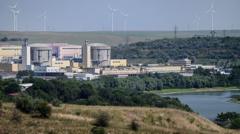
Romania's Nuclear Facility Faces Extended Closure
Romania has made the difficult decision to suspend operations at its sole nuclear power plant as an unprecedented environmental crisis unfolds across Central Europe. The shutdown stems from critically low water levels in the Danube River, exacerbated by extreme temperatures sweeping the region.
The Cernavodă Plant and Romania's Energy Supply
The Cernavodă facility stands as a cornerstone of Romania's electricity infrastructure, accounting for approximately one-fifth of the nation's total power generation. Located along the Danube, the plant relies on river water for cooling purposes—a critical component of nuclear energy production. The current suspension highlights the vulnerability of energy systems dependent on natural water resources during climate-related challenges.
Officials have indicated that restoration of normal operations will not occur within the immediately foreseeable future. Initial assessments suggest that at least 10 days will pass before any attempt to restart the reactor, though this timeline remains subject to change depending on environmental conditions.
Environmental Crisis: The Danube Water Level Problem
The Danube River, one of Europe's most vital waterways, has experienced dramatic water level reductions in recent weeks. Severe heat conditions have accelerated evaporation rates while simultaneously reducing precipitation across the region. This natural phenomenon creates cascading consequences throughout the energy sector and beyond.
The river's declining water levels pose substantial challenges for multiple industries and nations. Navigation becomes increasingly difficult, affecting commerce and transportation along crucial continental routes. Meanwhile, power generation facilities that depend on adequate water supply for thermal cooling face operational constraints.
Impact on Romania's Energy Markets
The nuclear plant shutdown introduces significant uncertainty into Romania's electricity markets. With one-fifth of domestic power generation suddenly offline, the nation must scramble to meet consumer and industrial demand through alternative sources. Coal-fired plants, hydroelectric facilities, and renewable energy sources must compensate for the lost capacity.
Energy officials are monitoring the situation closely, evaluating contingency plans and considering imports from neighboring European nations if necessary. The suspension also raises concerns about electricity pricing volatility and potential reliability issues during peak demand periods.
Broader Climate Implications
This incident reflects broader patterns of climate disruption affecting infrastructure across Europe. Extreme weather events increasingly strain conventional power systems designed under historical environmental parameters. Rivers that traditionally maintained stable water levels now fluctuate dramatically, forcing operators to make difficult operational decisions.
The episode underscores the urgent need for adaptive infrastructure planning and accelerated investment in climate-resilient energy systems. Nations throughout the continent face similar pressures as temperatures rise and precipitation patterns shift unpredictably.
Timeline and Expectations
Cernavodă authorities will continuously reassess conditions to determine the optimal restart window. Water level monitoring stations along the Danube provide real-time data guiding operational decisions. Weather forecasts indicating potential rainfall could accelerate the timeline for resuming nuclear generation.
Until operations resume, Romania's energy sector will function under increased pressure. Industrial consumers may need to adjust production schedules, while household electricity prices could experience upward pressure if demand exceeds available supply from alternative generation sources.
Looking Ahead
This forced shutdown serves as a cautionary tale for energy planners globally. The Danube water crisis demonstrates how environmental factors can rapidly destabilize even robust infrastructure systems. Future energy planning must account for climate volatility and develop strategies ensuring operational flexibility during extreme conditions.