
Ryanair Window Incident: Engine Blade Fracture Caused Passenger Emergency
Engine fan blade failure on Ryanair flight Greece-Germany led to window damage. US investigators reveal preliminary findings in passenger emergency incident.
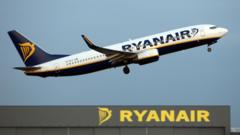
Engine Fan Blade Failure on Ryanair Flight
A significant Ryanair window incident has been attributed to a critical engine component failure, according to preliminary findings released by US aviation authorities. The investigation into the emergency situation that occurred during a recent commercial flight from Greece to Germany has identified a fractured engine fan blade as the root cause of the window damage that occurred mid-flight.
The National Transportation Safety Board (NTSB) conducted an initial examination of the aircraft damage and engine components recovered from the incident. Their preliminary report indicates that structural failure of an engine fan blade led to the catastrophic impact on the aircraft's fuselage window. This discovery represents a significant finding in understanding how the incident unfolded and what safety measures may require reinforcement across commercial aviation operations.
Flight Route and Incident Timeline
The Ryanair window incident took place during a scheduled service operating between Greece and Germany. Passengers and crew members aboard the aircraft experienced an alarming emergency situation when the window failure occurred at cruising altitude. The rapid decompression event prompted immediate response protocols from the flight crew, who managed the emergency response with established aviation safety procedures designed for such critical situations.
The preliminary investigation timeline indicates that engine fan blade degradation may have progressed undetected during the aircraft's operational cycles. US investigators are examining maintenance records, inspection protocols, and component testing procedures to determine whether the blade failure could have been identified during scheduled maintenance checks.
Structural Damage Assessment
Analysis of the damaged window and surrounding aircraft structure revealed extensive impact damage consistent with high-velocity projectile contact. The Ryanair window incident caused structural compromise that required immediate containment by aircraft systems. Engineering experts from the investigating agency documented the precise location and pattern of the window damage to establish the trajectory and velocity of the engine component that struck the fuselage.
The window assembly failure demonstrates the extreme forces generated when engine components separate during operation. Investigators collected physical evidence from the damaged area, including window fragments and metal debris, to confirm the sequence of events. The structural integrity of the aircraft frame held under the extreme stress of rapid decompression, allowing pilots to maintain control and execute an emergency descent to a lower altitude.
Engine Component Analysis
The fractured engine fan blade represents the primary focus of the mechanical investigation. US aviation authorities are examining the blade's material composition, manufacturing specifications, and operational history. Preliminary analysis suggests that the blade may have experienced fatigue failure, a phenomenon where repeated stress cycles cause gradual material degradation until sudden fracture occurs.
Investigators are comparing this engine component with others from the same manufacturing batch and installation period. This comparison process helps determine whether the failure represents an isolated incident or a potential systemic issue affecting multiple aircraft. Material testing and metallurgical analysis will provide detailed information about the blade's structural condition at the moment of failure.
Safety Implications and Industry Response
The findings from this Ryanair window incident investigation have significant implications for commercial aviation safety protocols. Engine fan blade inspections and maintenance procedures are critical components of aircraft airworthiness certification. The preliminary report will inform recommendations to aviation regulatory agencies regarding inspection intervals, component replacement schedules, and design modifications for future aircraft.
Airlines and manufacturers across the industry monitor accident investigation reports carefully to implement preventive measures on their own fleets. The incident has prompted renewed attention to engine component reliability and the effectiveness of current non-destructive testing techniques used to identify early signs of blade degradation.
Passenger Safety and Emergency Procedures
The crew's response to the emergency situation demonstrated the effectiveness of aircraft safety systems and crew training. Rapid decompression protection systems, cabin pressure regulation, and emergency descent procedures all functioned as designed during the critical incident. The successful management of this serious emergency highlighted the importance of regular safety training and procedure familiarity among flight personnel.
Passengers aboard the aircraft experienced significant distress during the incident, though the crew's professional response and aircraft's safety systems prevented a catastrophic outcome. Post-incident support has been provided to affected passengers and crew members who experienced the traumatic emergency event.
Ongoing Investigation Details
The US investigation into the Ryanair window incident continues with detailed analysis of engine maintenance records spanning the aircraft's operational history. Investigators are coordinating with Ryanair, the aircraft manufacturer, and engine manufacturers to compile a comprehensive picture of the component's performance history and any previous indications of potential failure.
The complete accident investigation report will include detailed findings, probable cause determination, and formal safety recommendations directed to the Federal Aviation Administration (FAA) and international aviation regulatory bodies. These recommendations will guide industry-wide improvements to prevent similar incidents in future aviation operations.