
Standards Watchdog Reopens Farage Inquiry Amid Byelection Backlash
Standards watchdog reopens investigation into Nigel Farage's finances as MPs condemn unnecessary Clacton byelection. Reform UK leader claims victory with increa...
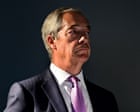
Standards Watchdog Reopens Farage Investigation
The Farage investigation has taken a significant turn as the standards watchdog officially resumed its probe into the Reform UK leader's financial affairs. This development came just hours after Nigel Farage secured victory in the Clacton byelection, marking a moment of controversy that has drawn sharp criticism from parliamentarians across the political spectrum.
The Farage inquiry centers on questions regarding the source and nature of financial gifts received by the prominent political figure. Observers suggest that the timing of the byelection may have been intended to distract from these mounting inquiries, though the strategy appears to have produced the opposite effect.
Parliamentary Condemnation of Byelection Decision
Members of Parliament from multiple parties have collectively denounced what they characterize as an unnecessary use of public resources. The decision to call a byelection in Clacton has sparked debate about whether the vote was justified, with critics arguing that the electoral exercise served primarily to bolster Farage's political standing rather than address genuine constituency needs.
The coordinated criticism from both government and opposition benches underscores the controversial nature of the decision. Political analysts note that such cross-party disapproval is relatively uncommon, suggesting the depth of concern among lawmakers regarding the appropriateness of the electoral contest.
Farage's Electoral Victory and Claims
Despite the mounting pressure from inquiries and parliamentary scrutiny, Farage emerged from the Clacton vote with an enhanced electoral mandate. The Reform UK leader was returned to Parliament with an increased majority, outperforming his 2024 election results in terms of vote share.
In his victory statement, Farage employed characteristically combative language, declaring that his result represented a defiant gesture toward the broader political establishment. He suggested that his electoral success vindicated his leadership of Reform UK and demonstrated continued voter confidence in his political project, despite the swirling controversies surrounding his personal finances.
Strategic Absence from Count
In an unusual tactical decision, Farage deliberately remained absent from the official vote count in Clacton. According to reports, he justified this absence by stating he wished to avoid potential humiliation from political opponents. The decision to stay away from the counting process represented an unconventional approach to an election night, further fueling discussion about his handling of the electoral contest.
This absence raised eyebrows among political observers and journalists, who noted that senior political figures typically participate in their constituency's counting procedures. The explanation offered by the Reform UK leader—that he sought to evade embarrassment from rivals—added another layer of intrigue to an already contentious electoral episode.
Implications for Standards Inquiry
The resumption of the Farage investigation represents a significant development that could overshadow any political benefits he derived from the byelection victory. Standards watchdogs maintain considerable independence in their operations, and the decision to reopen the inquiry signals their determination to pursue the matter thoroughly.
The nature of the allegations surrounding financial gifts remains a focal point of public and parliamentary attention. Questions persist about the transparency and legality of various financial arrangements, though Farage has consistently disputed any wrongdoing or impropriety in his personal financial dealings.
Broader Political Context
The convergence of the Farage investigation, the controversial byelection, and subsequent parliamentary condemnation reflects broader tensions within contemporary British politics. Reform UK's growing parliamentary presence has established the party as a significant force in Westminster, yet Farage's leadership continues to attract scrutiny and controversy.
Political observers suggest that the events surrounding Clacton illustrate the challenges facing newer political movements as they navigate established parliamentary conventions and standards procedures. The episode demonstrates how electoral success and institutional oversight can create competing pressures on political leaders.