
Tanker Fleet Reverses Course Amid Houthi Maritime Threat
Merchant vessels navigate away from Saudi shipping routes due to Houthi threats. Real-time tracking reveals major course redirections affecting global maritime...
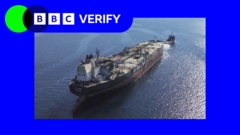
Tanker Fleet Navigates Away from Houthi Maritime Threat
A significant shift in maritime operations has emerged as commercial tankers execute dramatic course modifications in response to escalating security concerns. The Houthi maritime threat has prompted shipping operators to reconsider traditional routing patterns, with vessel monitoring systems documenting the widespread nature of these strategic repositioning efforts. This defensive posture reflects growing apprehension within the shipping industry regarding potential hazards in contested waters.
Real-Time Vessel Tracking Reveals Systematic Route Alterations
Sophisticated ship-tracking technology has captured compelling evidence of how maritime commerce is adapting to current geopolitical tensions. Data analysis demonstrates that numerous commercial vessels previously destined for major Saudi port facilities have initiated substantial course corrections. These changes represent more than minor navigational adjustments; they indicate a fundamental reorganization of shipping schedules and planned itineraries. The systematic nature of these alterations underscores the widespread concern affecting operational decisions across multiple shipping companies and vessel operators.
Documentation of Origin and Destination Changes
Comprehensive tracking information reveals the extent to which established trade routes are being abandoned or significantly modified. Ships that had been scheduled to transit toward or depart from Saudi Arabian port infrastructure have made deliberate decisions to redirect their trajectories. This pattern persists across multiple vessels operating within the region, suggesting coordinated industry-wide responses to the prevailing security environment. The consistency of these route modifications indicates that maritime security professionals are treating the Houthi maritime threat as a substantive operational challenge requiring immediate attention.
Impact on Global Shipping Corridors
The reconfiguration of tanker movements carries substantial implications for international maritime commerce and energy transportation networks. When major commercial vessels alter their standard routes, secondary effects ripple throughout global supply chains. Port facilities that anticipated receiving cargo shipments must adjust their scheduling expectations. Shipping companies face increased operational costs associated with longer transit times and modified fuel consumption patterns. Insurance providers must reassess risk profiles for maritime operations in the affected regions.
Economic Consequences of Maritime Diversions
The financial implications of widespread course alterations extend beyond individual shipping operators. Extended voyage durations translate directly into increased operational expenses, including fuel surcharges, crew overtime, and port tariffs. When vessels deviate from traditional Saudi port routes, alternative maritime infrastructure in neighboring countries experiences increased demand. This shifting traffic pattern creates both challenges and opportunities for regional port operators seeking to accommodate rerouted commerce.
Industry Response to Heightened Maritime Security Concerns
Commercial shipping operators have demonstrated remarkable adaptability in responding to the emerging security landscape. Rather than maintaining rigid adherence to traditional shipping lanes, companies have embraced flexible routing strategies that prioritize vessel safety over route optimization. This proactive approach reflects lessons learned from previous maritime security incidents and acknowledgment that preventive measures prove more cost-effective than reactive crisis management.
Coordination Among Shipping Companies
The widespread nature of route modifications suggests informal coordination or at minimum, shared situational awareness among maritime operators. When multiple independent shipping companies simultaneously alter their course selections, it indicates common intelligence assessments regarding risk levels in specific geographic areas. Information sharing through industry networks, maritime authorities, and commercial channels enables operators to make informed decisions about voyage planning and vessel positioning.
Monitoring Systems and Tracking Technologies
Advanced vessel tracking systems have become indispensable tools for understanding maritime movements and detecting patterns in shipping behavior. These technological platforms aggregate real-time positional data from thousands of commercial vessels, creating comprehensive visual representations of global shipping activity. When the Houthi maritime threat prompted widespread route modifications, these monitoring systems immediately documented the shifts, providing valuable data for analysts and industry observers. The transparency offered by tracking technologies enables researchers, policymakers, and maritime professionals to quantify the operational impact of security concerns on commercial shipping patterns.
Long-Term Implications for Regional Maritime Commerce
The persistent nature of course alterations suggests potential durability of modified routing patterns. If security concerns remain elevated, shipping companies may institutionalize these alternative routes, leading to permanent shifts in maritime commerce patterns. Such changes would necessitate infrastructure adjustments at alternative ports, potentially elevating their strategic importance while diminishing the relative significance of previously dominant port facilities. The long-term reconfiguration of shipping corridors could reshape regional economic relationships and port development strategies throughout the eastern hemisphere.