
Trump Abandons 20% Hormuz Tax Plan Amid Fresh US Iran Port Blockade
Trump reverses 24-hour-old tariff proposal on Strait of Hormuz cargo as United States intensifies blockade strategy targeting Iranian maritime operations.
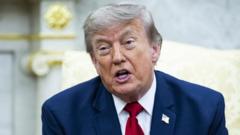
Trump Reverses Hormuz Tariff Proposal
In a significant policy shift regarding the Strait of Hormuz tariff strategy, the Trump administration has abandoned its controversial proposal to impose a 20% fee on merchant vessels transiting through one of the world's most critical maritime chokepoints. The announcement comes merely 24 hours after the initial declaration, signaling potential recalibration in the administration's approach to containing Iranian influence in the region.
Strategic Implications of the Shift
The reversal of the Strait of Hormuz tariff plan reflects broader considerations within the US government regarding international maritime commerce and coalition-building efforts. Rather than implementing direct charges on cargo ships, the administration has opted to pursue alternative enforcement mechanisms designed to maintain pressure on Tehran's shipping capabilities.
Intensified US Blockade Operations
Simultaneously with the tariff withdrawal, United States military and diplomatic efforts continue to escalate the blockade of Iranian ports. The concurrent blockade initiative represents a comprehensive strategy to restrict Iran's ability to conduct international trade and maritime commerce. American naval assets have maintained a strengthened presence in regional waters, effectively limiting Iranian vessel movements and disrupting traditional shipping lanes that have historically served Tehran's economic interests.
Background on the Tariff Proposal
The quickly-abandoned 20% fee proposal had generated immediate international concern among maritime nations and trading partners. Shipping industry representatives expressed reservations about the potential economic disruptions such a measure could create for legitimate commercial operations. The proposal would have theoretically generated substantial revenue while simultaneously creating a financial disincentive for ships engaged in Iranian trade activities.
Iran's Maritime Challenges
The ongoing blockade strategy places unprecedented constraints on Iranian shipping operations and port accessibility. By restricting vessel movements through critical waterways and limiting dock operations at key Iranian maritime facilities, US policymakers aim to amplify economic pressure on the Iranian government. This multi-pronged approach combines military presence with economic isolation mechanisms.
Regional Security Concerns
The Strait of Hormuz remains a vital international passage, with significant portions of global oil and liquefied natural gas shipments transiting through its waters daily. The blockade operations and proposed tariff mechanisms both raise questions about freedom of navigation principles and the potential impact on world energy markets. International observers have monitored these developments closely given the broader implications for global trade security.
Diplomatic and Economic Consequences
The Trump administration's decision to reverse course on the Strait of Hormuz tariff may reflect consultations with allied nations and considerations regarding international law. The shift demonstrates the complexity of implementing unilateral measures on vital international waterways while maintaining broader coalition support.
Future Policy Direction
As the US maintains its blockade of Iranian ports, questions remain regarding the long-term strategy for addressing Iranian maritime activities. The abandonment of the tariff proposal suggests the administration may pursue less controversial enforcement mechanisms while continuing pressure through traditional military and sanctions channels. This approach potentially allows for sustained pressure on Iran without creating friction with international maritime stakeholders.
Conclusion
The reversal of the Strait of Hormuz tariff represents a recalibration rather than a fundamental shift in the Trump administration's Iran policy. With continued blockade operations targeting Iranian ports, Washington maintains its commitment to constraining Tehran's regional activities and maritime commerce capabilities.