
Trump Halts Iran Military Action Pending Swift Diplomatic Deal
Trump suspends Iran strikes contingent on rapid deal negotiations. US president says Middle Eastern nations requested military restraint as agreement parameters...
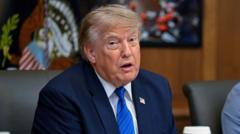
Trump Suspends Iran Military Operations Amid Negotiations
The Trump administration has decided to halt military operations against Iran, with the decision contingent on achieving a comprehensive agreement in the coming days. Trump Iran strikes have been postponed as discussions intensify between Washington and regional stakeholders.
According to statements from the White House, both Iran and several other nations across the Middle Eastern region have formally requested that the United States refrain from launching any immediate military action. Officials indicate that this diplomatic intervention reflects confidence among international partners regarding the potential for resolving outstanding tensions through negotiation rather than armed conflict.
Agreement Parameters Already Established
The administration's approach is grounded in the assertion that fundamental aspects of a potential settlement have already been outlined and mutually acknowledged. Sources within the executive branch suggest that the preliminary framework for this diplomatic resolution contains provisions that address core concerns raised by multiple parties in the region.
Trump Iran negotiations have reached a critical juncture where both sides have reportedly identified key points of convergence. These preliminary understandings appear sufficient to warrant a cessation of military preparations, though officials emphasize that formalization of these arrangements remains necessary.
Regional Powers Request Military Restraint
The decision to suspend military operations reflects diplomatic pressure exerted by various Middle Eastern governments seeking to prevent escalation. These nations have communicated directly with Washington, expressing their preference for continued dialogue over armed confrontation. The timing of these requests, coupled with existing agreement parameters, has influenced the administration's strategic calculation.
This development underscores the interconnected nature of Middle Eastern security dynamics and the role that regional actors play in shaping US policy decisions. Several countries have indicated that maintaining diplomatic channels serves their collective interests better than military engagement.
Timeline for Final Agreement
Officials have characterized the expected timeline for completing negotiations as "rapid," suggesting that a definitive agreement could be finalized within days rather than weeks. This accelerated schedule reflects the urgency both Washington and its regional partners place on achieving a settlement.
The administration has made clear that the suspension of Trump Iran strikes remains conditional on substantive progress toward finalizing terms. Should negotiations stall or fail to produce results within the specified timeframe, military options remain available as a fallback measure. This approach balances diplomatic opportunity with strategic flexibility.
Implications for Regional Stability
The decision to postpone military action carries significant implications for regional stability across the Middle East. Economic markets, international observers, and governments worldwide have been monitoring developments closely, with many viewing successful negotiations as preferable to military escalation that could destabilize broader geopolitical arrangements.
Iran's response to this development will prove crucial in determining whether current diplomatic momentum can be sustained. The US Middle East policy adjustments represent a notable shift toward negotiation, contingent on Iran's willingness to engage constructively within the agreed parameters.
Key Takeaways
The suspension of military operations signals a turning point in US-Iran relations, at least temporarily. Trump Iran negotiations now carry greater weight following the military restraint decision, with regional powers expressing confidence that diplomacy can succeed where confrontation might fail. Success depends on rapid movement toward finalizing agreement terms and demonstrating mutual commitment to the established framework.