
Trump Issues Fresh Threats Against Iran While Diplomat Talks in Switzerland
Trump threatens military action against Iran amid ongoing talks in Switzerland. US demands Iran restrains Hezbollah in Lebanon. Latest developments in US-Iran t...
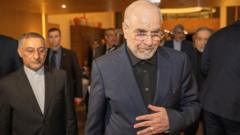
Trump's Military Warnings Reshape US-Iran Negotiations
The ongoing diplomatic engagement between the United States and Iran has taken a confrontational turn as Trump issues military threats while Trump Iran talks Switzerland continue without his direct participation. From his position outside the negotiation venue, the American president has escalated rhetoric, warning of potential military strikes against Tehran unless Iranian leadership takes decisive action to control Hezbollah activities across the Lebanese border.
The Stakes Behind Diplomatic Tensions
The situation underscores the delicate balance between diplomatic channels and military posturing that characterizes contemporary US foreign policy in the Middle East. While representatives engage in formal discussions on Swiss territory, the absence of the sitting president from these talks signals a deliberate strategic approach. Trump has made clear that any failure to achieve concrete results on the Hezbollah question could trigger military consequences.
Iran's Position on Regional Security
Iranian negotiators present at the talks have responded cautiously to these threats. The Iranian delegation understands that any agreement must address not only nuclear concerns but also broader regional security issues that Washington considers paramount. The inclusion of Hezbollah restraint as a negotiating point reflects Washington's assessment that Lebanese-based militant activities pose direct threats to regional stability and Israeli security.
The Iranian government faces mounting internal and external pressure. Domestically, officials must justify any concessions to a skeptical population. Internationally, Tehran finds itself navigating between its strategic alliance with Hezbollah and the necessity of reaching some accommodation with the West. This diplomatic triangle creates complex incentives for both sides in the Swiss negotiations.
Hezbollah's Role as Negotiating Leverage
Hezbollah occupies a unique position in these discussions. The Lebanese-based organization maintains deep ties with Iran's Islamic Revolutionary Guard Corps, complicating any attempts to isolate or constrain its operations unilaterally. Tehran's influence over the group, while substantial, has limits—Hezbollah also operates as a political and social force within Lebanese society with its own institutional interests.
Analysts suggest that Trump's public threats serve multiple functions simultaneously. They demonstrate resolve to domestic audiences concerned about Iranian regional expansion. They also potentially strengthen the hand of negotiators by signaling that diplomatic failure carries genuine consequences. However, such public pressure can also complicate negotiations by limiting flexibility and creating domestic political constraints for Iranian officials.
Diplomatic Framework and Historical Context
The current negotiations build upon decades of fraught US-Iran relations, punctuated by moments of direct military confrontation and intermittent diplomatic engagement. Previous attempts at nuclear agreements have proven contentious, with accusations from both sides regarding compliance and good faith implementation. The introduction of Hezbollah constraints into current talks expands the agenda beyond traditional nuclear proliferation concerns.
Switzerland's role as the neutral venue reflects the limited diplomatic infrastructure available for such high-stakes conversations. The country's status as a non-aligned nation provides both sides with relative neutrality and established protocols for sensitive negotiations. Swiss authorities have experience hosting similar discussions, providing institutional expertise in managing complex multilateral or bilateral talks.
Regional Implications and Security Concerns
The presence of Hezbollah on the negotiating agenda reflects genuine security concerns shared across multiple stakeholders. Lebanese politics remains fractious, with Hezbollah's military capacity occasionally threatening to destabilize the country. Cross-border activities into Israeli territory have triggered military responses, creating cycles of escalation that threaten broader regional peace.
Washington's emphasis on Hezbollah control suggests that nuclear issues alone no longer dominate the US approach to Iran policy. The Trump administration views Iranian-backed militant networks as equally pressing security threats. This expanded definition of acceptable behavior creates additional hurdles for any comprehensive agreement.
Looking Forward: Prospects for Resolution
Success in the Swiss negotiations depends on whether both parties can identify areas of genuine compromise. Trump's military threats, while potentially clarifying American resolve, also raise stakes in ways that complicate agreement-building. Iranian officials must determine whether concessions on Hezbollah justify domestic political costs.
The coming days and weeks will likely determine whether these talks represent a genuine pathway toward reduced tensions or merely a procedural step in prolonged standoff. Both sides maintain positions presented as non-negotiable, suggesting difficult compromises await any negotiators genuinely pursuing settlement.