
Trump Threatens Canada Tariffs Over Wildfire Smoke Pollution in US
Trump considers new tariffs against Canada amid air quality crisis from wildfires. Expert analysis on climate change's role in worsening wildfire smoke affectin...
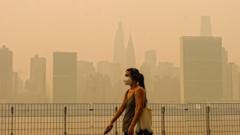
Trump Considers Tariffs in Response to Cross-Border Air Pollution
The ongoing Trump Canada tariffs dispute has escalated into a major environmental and economic standoff, with concerns mounting over how wildfire smoke is degrading air quality across numerous American cities. Officials from both nations are now engaged in discussions about shared responsibility for addressing transboundary air pollution caused by massive forest fires burning across Canadian territories.
The deteriorating air quality affecting residents in US metropolitan areas has prompted renewed focus on the relationship between climate conditions and wildfire intensity. As smoke continues to drift southward across the border, tensions have intensified between Washington and Ottawa regarding trade relations and environmental accountability.
Mark Carney's Position on Shared Environmental Responsibility
Canadian political leader Mark Carney has articulated a strong stance emphasizing that combating climate change requires coordinated efforts from both nations. According to Carney's perspective, the United States and Canada bear equal responsibility in implementing comprehensive climate action strategies that could help mitigate the conditions driving increasingly severe wildfire seasons.
Carney's statements underscore the complexity of transnational environmental challenges, where atmospheric conditions and weather patterns do not respect international borders. His advocacy for balanced responsibility distribution reflects growing recognition among North American policymakers that unilateral approaches prove insufficient when addressing continent-wide ecological crises.
Expert Analysis on Climate Change and Wildfire Escalation
Environmental scientists and climate experts have consistently documented strong correlations between rising global temperatures and expanding wildfire seasons. Research indicates that climate change creates atmospheric conditions particularly conducive to larger, more intense fires that burn for extended periods.
According to these specialists, several interconnected factors contribute to worsening wildfire conditions. Higher temperatures increase evaporation rates, leaving vegetation drier and more flammable. Extended drought periods deplete soil moisture content, reducing natural fire suppression mechanisms. Shifting precipitation patterns alter the traditional timing and intensity of seasonal rainfall, disrupting natural fire management cycles that ecosystems evolved with over millennia.
Air Quality Crisis Affecting American Population
The visible consequences of these wildfire outbreaks manifest directly in American air quality measurements and public health outcomes. Major metropolitan areas have reported hazardous air quality index readings during peak wildfire seasons, triggering respiratory health advisories and hospital admissions.
Vulnerable populations, including children, elderly residents, and individuals with preexisting respiratory conditions, face heightened health risks from prolonged exposure to smoke-laden air. Public health officials recommend indoor air filtration, mask usage, and activity limitations during episodes of severe air pollution originating from Canadian wildfires.
Trade Policy Implications and Cross-Border Relations
The Trump administration's consideration of new tariff measures against Canada reflects frustration with the transnational air quality degradation. While tariffs primarily represent economic policy instruments, their deployment signals broader dissatisfaction with environmental management practices north of the border.
Trade analysts suggest that imposing tariffs on Canadian goods may prove counterproductive if the underlying goal involves incentivizing enhanced wildfire prevention and climate mitigation investments. Economic sanctions could potentially strain diplomatic relations needed for collaborative environmental initiatives requiring bilateral coordination and resource sharing.
Collaborative Solutions and Future Outlook
Environmental advocates and policy experts increasingly emphasize that sustainable solutions require integrated approaches incorporating multiple policy domains. Effective wildfire management necessitates investment in prevention infrastructure, controlled burn programs, forest management modernization, and greenhouse gas emission reduction strategies.
Both nations possess the technological capacity and economic resources to implement comprehensive wildfire mitigation programs. Success depends on political willingness to prioritize environmental cooperation over protectionist trade measures. The ongoing Trump Canada tariffs situation may ultimately redirect toward collaborative frameworks addressing shared ecological challenges threatening both populations.