
Trump to Reduce South Korea Military Drills Over Iran Conflict
Trump plans to scale back joint military exercises with South Korea, citing his relationship with North Korea's leader as the key factor in the decision.
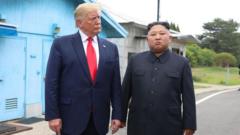
Trump's Strategic Decision on Military Exercises
President Donald Trump has announced plans to significantly reduce military drills with South Korea, making the decision to scale back these exercises following tensions related to the Iran conflict. The announcement reflects a broader shift in Trump's approach to military cooperation in the Korean Peninsula, prioritizing diplomatic channels over extensive military operations.
The decision to downsize military drills with South Korea comes as a strategic move that Trump believes will strengthen his negotiating position with North Korea. By minimizing these joint exercises, Trump aims to create a more favorable environment for dialogue with Pyongyang's leadership, emphasizing his commitment to finding peaceful solutions to longstanding tensions in the region.
The Role of North Korea Relations
Trump emphasized his "very good relationship" with North Korean leader Kim Jong Un as the primary factor influencing the decision to reduce military drills. This diplomatic rapport, according to Trump, necessitates a recalibration of military activities that might otherwise be perceived as provocative by North Korea's leadership.
The president's focus on maintaining favorable relations with North Korea underscores his administration's belief that military de-escalation measures can facilitate more productive negotiations. Trump has consistently argued that reducing joint military exercises demonstrates commitment to peaceful engagement and creates mutual understanding between nations.
South Korea's Position in the Strategic Plan
South Korea's decision to remain neutral regarding the Iran conflict played a crucial role in Trump's determination to scale back military exercises. The country's restraint in not becoming entangled in Middle Eastern hostilities was viewed positively by the Trump administration, influencing the reciprocal decision to reduce military drills.
This move reflects a broader reassessment of US military commitments in the Asia-Pacific region. By reducing the scope and frequency of military exercises, Trump's administration signals a preference for measured military presence while maintaining defense capabilities with allied nations.
Implications for Regional Security
The reduction in military drills with South Korea raises questions about the long-term defense strategy in East Asia. Military experts have noted that these joint exercises serve important purposes, including maintaining combat readiness and demonstrating alliance strength. The decision to scale back these activities represents a significant departure from decades of established defense protocols.
However, Trump's administration maintains that the scaled-back military drills will not compromise South Korea's security or defense posture. Officials have suggested that alternative security arrangements and modified training protocols will ensure adequate preparedness while reducing the profile of military operations in the region.
Strategic Context and Broader Implications
The decision to reduce military exercises reflects Trump's broader diplomatic philosophy, which emphasizes direct communication and relationship-building over traditional military deterrence strategies. His administration believes that demonstrating willingness to adjust military operations can lead to more productive international negotiations.
Trump's announcement regarding military drills with South Korea must be understood within the context of his administration's attempts to achieve denuclearization on the Korean Peninsula. By creating what he views as a more favorable diplomatic environment, Trump hopes to progress toward comprehensive agreements that address security concerns for all parties involved.
The scaling back of military exercises also represents a cost-saving measure, aligning with Trump's broader agenda of reducing US military expenditures abroad. This financial consideration, combined with diplomatic objectives, has shaped the administration's decision to modify long-standing military cooperation patterns with South Korea.
Looking Forward
The full ramifications of reducing military drills with South Korea remain to be seen. As Trump continues to emphasize his relationship with North Korea's leadership, future policy decisions will likely reflect this diplomatic priority. The international community watches closely to determine whether this de-escalation approach will yield tangible progress in Korean Peninsula negotiations or create new security vulnerabilities in the region.