
Trump Warns of Retaliation Against Iranian Infrastructure Over Hormuz Strait Attacks
Trump threatens targeted strikes on Iranian bridges and power plants if attacks on ships in Hormuz Strait continue. US warns of retaliation against Iranian infr...
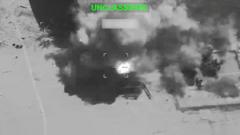
Trump Issues Warning on Hormuz Strait Security Threat
The United States has escalated its rhetoric regarding maritime security in one of the world's most critical shipping routes. In recent statements, the American administration has made clear that Hormuz Strait attacks will not go unanswered, with explicit warnings directed at Iranian military operations in the region. The emphasis on defending commercial vessels transiting through these strategic waters marks a significant hardening of diplomatic posture.
Detailed Response Plans for Hormuz Strait Attacks
According to officials from Washington, any hostile action targeting ships navigating the Hormuz Strait would trigger an immediate American response. The administration has indicated that such Hormuz Strait attacks would warrant proportional military action, designed to protect vital international commerce and allied interests. The messaging reflects growing concerns about maritime disruptions that could impact global energy supplies and economic stability.
Infrastructure Targets Under Consideration
In unprecedented clarity regarding potential military targets, administration officials have outlined specific infrastructure sites that would face retaliation. These include critical bridge systems and electrical generation facilities crucial to Iranian civilian and military operations. The specificity of these warnings represents a departure from typical diplomatic language, signaling serious intent behind the administration's maritime defense strategy.
Geopolitical Context and Regional Tensions
The Strait of Hormuz remains one of the world's most strategically important waterways, with approximately one-third of global maritime petroleum traffic passing through its narrow passages annually. Tensions in this region have intensified due to various proxy conflicts and direct military incidents. The current escalation reflects broader concerns about Iranian military activities and their potential to disrupt international shipping lanes.
Previous Incidents and Pattern of Escalation
Recent years have witnessed several documented attacks on commercial vessels within the Hormuz Strait corridor. These incidents have raised alarm among maritime nations and shipping companies operating in the region. Each event has contributed to the current heightened state of alert and the corresponding warnings being issued by American leadership.
Economic Implications of Hormuz Strait Security Issues
The threat of conflict in this vital shipping corridor carries significant economic consequences for nations worldwide. Energy markets remain sensitive to any perceived disruption in the region, with oil prices fluctuating based on developments regarding maritime security. Global trade heavily depends on the uninterrupted flow of commerce through these strategic waters, making Hormuz Strait attacks a matter of international concern.
Impact on Global Energy Markets
Petroleum exports and liquefied natural gas shipments constitute a substantial portion of traffic through the waterway. Any sustained military action targeting this corridor could trigger supply chain disruptions affecting economies globally. This economic dimension adds urgency to the administration's commitment to protecting free passage through the region.
Military Response Capabilities and Readiness
The United States maintains substantial naval assets throughout the Middle Eastern waters, including carrier strike groups and guided-missile destroyers. These vessels provide the operational capability to respond rapidly to any threats against commercial shipping. The administration's warnings gain credibility from the demonstrated ability to project power throughout the region and enforce maritime security.
Coordination with Allied Nations
Several allied maritime nations have expressed concerns regarding safety in the Hormuz Strait and coordinated efforts to enhance security measures. International task forces and naval coalitions work to monitor the region and respond to emerging threats. This multilateral approach strengthens enforcement mechanisms and demonstrates broad commitment to maintaining open shipping lanes.
Diplomatic Dimensions and International Response
While military deterrence forms one component of the strategy, diplomatic channels remain active regarding the broader conflict dynamics. International organizations and neutral nations continue advocating for dialogue aimed at reducing tensions. The balance between issuing clear warnings and maintaining diplomatic options remains a central consideration for policymakers.
The administration's explicit warnings regarding Hormuz Strait attacks and potential infrastructure strikes represent an effort to establish clear consequences for hostile action. By outlining specific targets and consequences, officials aim to deter further military provocations while protecting vital international commerce and allied security interests in one of the world's most economically significant maritime regions.