
Trump's Kushner Holds Historic Gaza Peace Talks With Hamas Leader
Jared Kushner meets Hamas leadership to advance Trump's Gaza peace initiative. High-stakes diplomatic effort follows Israel's rejection of the proposal.
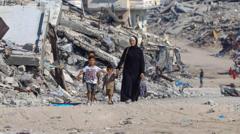
Unprecedented Diplomatic Engagement in Gaza Crisis
A significant development in Middle Eastern diplomacy has emerged as a high-ranking Trump administration official conducted direct negotiations regarding the Gaza peace plan. The meeting between envoy Jared Kushner and senior Hamas representatives marks a noteworthy attempt to advance peace negotiations in one of the world's most volatile regions. This Gaza peace plan represents a comprehensive approach to resolving the decades-long Israeli-Palestinian conflict.
The timing of this diplomatic encounter carries considerable significance, occurring just seven days after the Israeli government formally rejected the administration's proposed framework for Gaza. Despite this setback, the Trump administration has maintained momentum in pursuing dialogue with all parties involved in the conflict, demonstrating a commitment to finding sustainable solutions through negotiation.
Context of the Peace Initiative
The Gaza peace plan unveiled by the Trump administration presents a multifaceted approach designed to address the humanitarian concerns, security requirements, and political aspirations of both Israelis and Palestinians. The proposal has generated considerable debate across international diplomatic circles, with various stakeholders offering differing perspectives on its viability and potential outcomes.
Kushner's role as the primary diplomat behind this initiative underscores the administration's serious engagement with Middle Eastern affairs. As a trusted advisor with direct access to decision-making processes, his participation in these negotiations signals the priority level assigned to resolving the Gaza situation within the broader context of U.S. foreign policy objectives.
Israel's Response and Diplomatic Implications
The rejection of the Gaza peace plan by Israel introduced new complexities to the negotiation process. Israeli officials cited specific concerns regarding security provisions, territorial boundaries, and guarantees related to militant activity prevention. These objections prompted the administration to engage directly with Hamas leadership to understand their perspective and explore potential modifications to the proposal.
This parallel approach—maintaining communication with multiple stakeholders despite initial setbacks—reflects a sophisticated diplomatic strategy aimed at identifying common ground among historically opposed parties. The willingness to persist despite Israel's rejection demonstrates the administration's confidence in the fundamental framework of the Gaza peace plan.
Hamas Leadership Engagement
The organization's participation in discussions with Kushner represents an important development, as Hamas has historically positioned itself outside formal peace processes. Direct engagement with organization leadership allows policymakers to assess the group's potential flexibility on key negotiation points and explore pathways toward compromise on critical issues affecting the Gaza population.
The substance of conversations between Kushner and Hamas representatives remains largely undisclosed, though diplomatic sources suggest discussions centered on humanitarian corridors, reconstruction efforts, and security arrangements that might satisfy concerns raised by multiple parties. The Gaza peace plan's implementation would require unprecedented cooperation from entities with fundamentally different objectives and historical grievances.
International Perspective on Negotiations
Global observers have monitored these developments with keen interest, recognizing that any breakthrough in Gaza negotiations could influence broader regional stability. International bodies, regional powers, and humanitarian organizations have expressed varying degrees of optimism regarding the administration's diplomatic efforts.
The engagement of multiple diplomatic channels demonstrates commitment to exhaustive negotiation efforts. Separate meetings with Israeli and Hamas leadership create opportunities for nuanced understanding of each party's core requirements and potential areas of compromise. This multi-track diplomatic approach has historically proven valuable in previous peace negotiations across different conflict zones.
Humanitarian Dimensions of the Peace Plan
Central to the Gaza peace plan are provisions addressing the humanitarian crisis affecting the civilian population. Proposals include enhanced access for medical supplies, educational resources, and reconstruction materials necessary for community development. These humanitarian components reflect recognition that sustainable peace requires addressing underlying conditions contributing to conflict perpetuation.
Kusher's diplomatic mission incorporates emphasis on improving civilian living conditions as a foundation for political settlements. By prioritizing humanitarian concerns within the Gaza peace plan framework, negotiators hope to build goodwill among affected populations and demonstrate that peace processes yield tangible benefits beyond political agreements.
Future Outlook and Next Steps
Following the Kushner-Hamas discussions, diplomatic attention shifts toward analyzing feedback received and determining appropriate modifications to the Gaza peace plan. The administration has indicated willingness to refine proposals based on constructive input from all stakeholders, though certain foundational principles remain non-negotiable from the U.S. perspective.
Continued engagement with regional partners, international mediators, and humanitarian organizations will shape the trajectory of peace efforts. The success of the Gaza peace plan ultimately depends on achieving sufficient consensus among parties historically resistant to compromise, requiring sustained diplomatic effort and creative problem-solving approaches that transcend traditional negotiation frameworks.