
UK and Caribbean Launch Structured Dialogue on Slavery Reparations
The UK commits to structured dialogue with Caribbean nations on slavery reparations within the next year following Commonwealth summit consensus.
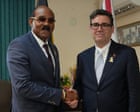
UK Commits to Structured Dialogue with Caribbean Nations
Slavery reparations discussions have reached a significant milestone as the United Kingdom has formally agreed to engage in structured dialogue with Caribbean nations affected by the transatlantic slave trade and its lasting impacts. Commonwealth leaders announced this commitment following intensive discussions at the recent Commonwealth heads of government meeting (Chogm), marking a pivotal moment in ongoing conversations about historical injustices and contemporary remedies.
The establishment of this framework represents a breakthrough in diplomatic efforts to address the systemic harm caused by centuries of slavery. Government representatives have pledged to begin these formal conversations within the next twelve months, creating an official channel through which Caribbean nations can present their positions and negotiate potential pathways toward resolution.
Caribbean Leadership Celebrates Commonwealth Consensus
Gaston Browne, serving as prime minister of Antigua and Barbuda, highlighted the unanimous agreement reached among Commonwealth member states regarding slavery reparations. According to Browne, the discussions demonstrated a strong consensus among participating governments about establishing a constructive approach to addressing historical grievances and their contemporary consequences.
This consensus reflects growing international recognition of slavery reparations as a legitimate policy matter deserving serious diplomatic attention. The willingness of multiple nations to engage in structured conversations signals a shift in how Commonwealth members approach conversations around colonial legacies and their ongoing effects on affected populations.
Understanding the Scope of Structured Dialogue
The structured dialogue framework represents more than symbolic commitment. Rather, it establishes formal mechanisms through which governmental representatives, policymakers, and potentially other stakeholders can examine evidence, discuss historical contexts, and explore potential solutions. This diplomatic approach creates space for substantive engagement without predetermined outcomes.
Caribbean nations have articulated various positions regarding appropriate remedies for slavery's legacy. These range from direct financial compensation to debt relief arrangements, educational initiatives, and cultural restitution. The structured dialogue process will provide opportunities to present these perspectives and explore which combinations of measures might achieve broad agreement.
Historical Context of Reparations Discussions
Conversations about slavery reparations have intensified significantly over recent years, driven by Caribbean governments' determination to address historical injustices systematically. Organizations throughout the region have documented slavery's profound effects on contemporary economic disparities, social structures, and health outcomes within Caribbean societies.
The push for formal recognition and remedy has gained momentum as more nations acknowledge moral responsibilities for historical atrocities. Commonwealth membership provided an institutional framework through which Caribbean nations could collectively raise this issue at the highest governmental levels, culminating in the Chogm agreement.
Next Steps and Timeline for Negotiations
The commitment to begin slavery reparations dialogue within the next year establishes a concrete timeline for action. This schedule allows governments sufficient opportunity to prepare comprehensive positions, conduct preliminary research, and coordinate with relevant stakeholders before formal negotiations commence.
The structured format suggests that discussions will proceed through established diplomatic channels, with designated representatives and potentially expert advisors contributing specialized knowledge. Initial sessions will likely focus on establishing shared understandings of slavery's historical impact and clarifying each nation's priorities regarding potential remedies.
Significance for Commonwealth Relations
This agreement demonstrates the Commonwealth's evolving role in addressing complex historical and contemporary issues affecting member nations. By formally acknowledging slavery reparations as worthy of structured governmental dialogue, Commonwealth leaders have elevated the discussion beyond advocacy campaigns to formal state-to-state negotiations.
The dialogue framework also reflects broader international trends recognizing that historical injustices warrant serious policy responses. As more nations grapple with colonial legacies, the Commonwealth's approach may influence how other international organizations address similar historical accountability matters.
The establishment of structured dialogue between the UK and affected Caribbean nations represents a significant development in long-standing conversations about slavery reparations. With formal commitment to begin conversations within the next year and explicit consensus among Commonwealth leaders, the stage is set for substantive engagement on these critical historical and contemporary issues.