
UK Emergency Stockpile Campaign Drives Bottled Water Sales
Bottled water and tinned food sales surge following UK government emergency stockpile advice. Retailers report increased purchases of emergency supplies and sur...
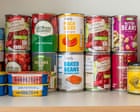
Bottled Water Sales Skyrocket Following Government Emergency Guidance
The United Kingdom has witnessed a significant increase in bottled water purchases and emergency supply acquisitions after the government launched its Be Ready campaign, urging households to prepare for potential crises. This comprehensive initiative encourages British families to maintain emergency supplies capable of sustaining them for a minimum of 72 hours during unforeseen circumstances.
The surge in bottled water demand represents just one aspect of a broader consumer response to the government's preparedness messaging. Retailers nationwide have documented remarkable increases across multiple categories of emergency essentials, reflecting growing public concern about infrastructure vulnerabilities and weather-related risks.
Retailers Report Unprecedented Demand for Emergency Supplies
Commercial outlets have confirmed substantial jumps in sales figures across essential emergency items. Beyond bottled water, consumers are actively purchasing tinned foods in record quantities, recognizing the importance of non-perishable nutrition during extended disruptions to normal services.
The retail sector has also noted considerable interest in survival and preparedness equipment. Wind-up radios have become increasingly popular purchases, alongside torches and other battery-independent lighting solutions. These items provide households with communication and visibility options when electrical infrastructure may be compromised.
Understanding the Be Ready Campaign Initiative
The government's Be Ready campaign represents a coordinated effort to enhance national resilience and public awareness regarding emergency preparedness. Launched within recent weeks, this initiative addresses multiple threat scenarios, including extreme weather events and potential cyber-security threats targeting critical national infrastructure.
By recommending a 72-hour supply strategy, the campaign provides households with clear, actionable guidance. This timeframe represents the period during which emergency services may be overwhelmed or unable to respond effectively, making self-sufficiency a practical and responsible approach to household planning.
Diverse Threats Driving Consumer Preparedness
The campaign acknowledges various potential emergencies requiring household preparation. Extreme weather events, including severe storms, flooding, and other environmental disasters, represent tangible threats requiring practical planning. Additionally, concerns about cyber-attacks on essential infrastructure have prompted government advisories encouraging preventative household measures.
These diverse risk factors explain the comprehensive nature of recommended emergency supplies. Bottled water addresses potential contamination or supply disruption scenarios. Tinned foods provide nutrition when refrigeration or cooking facilities may be unavailable. Communication and lighting equipment ensure households can maintain contact with emergency services and navigate safely during darkness or infrastructure failures.
Consumer Response and Market Trends
The public response to government emergency preparedness recommendations has exceeded many retail expectations. Supermarket chains and specialist retailers have experienced inventory challenges meeting surge in demand for bottled water, canned goods, and emergency equipment simultaneously.
This widespread consumer engagement demonstrates public recognition of infrastructure vulnerabilities and environmental risks. Households are interpreting government guidance as substantive warnings requiring prompt action rather than abstract theoretical scenarios.
Practical Emergency Preparation Strategies
Effective emergency preparedness extends beyond simple purchasing. Households implementing 72-hour supply strategies should consider storage conditions, rotation protocols, and accessibility. Bottled water storage requires cool, dark locations away from chemicals and sunlight. Tinned food supplies benefit from organization systems enabling quick identification of contents and expiration dates.
Communication equipment such as wind-up radios provides critical advantages during power failures or network disruptions. These devices require no batteries or external power, offering reliable access to emergency broadcasts and official guidance. Similarly, torches with wind-up or alternative power sources ensure lighting independence from grid electricity.
Long-term Implications for National Preparedness
The Be Ready campaign's success in stimulating household emergency preparations may significantly enhance national resilience. Distributed household stockpiles reduce centralized emergency resource demands, enabling official response systems to concentrate on vulnerable populations requiring assistance.
This approach represents a fundamental shift toward shared responsibility between government and households regarding emergency management. By encouraging preventative private preparations, the campaign acknowledges practical limitations in emergency service capacity during major incidents.
The measurable impact on bottled water sales and emergency supply demand indicates genuine public engagement with preparedness concepts. This consumer response validates government messaging effectiveness while demonstrating realistic public concern regarding infrastructure security and environmental risks facing the United Kingdom.