
Ukraine faces critical interceptor missile shortage amid relentless Russian attacks
Ukraine warns of severe interceptor missile shortage as 23 people die in Kyiv region. President Zelensky reports 68 missiles and 351 strike drones in massive Ru...
Ukraine Confronts Interceptor Missile Shortage During Intensified Russian Campaign
Ukraine is grappling with a critical interceptor missile shortage as Russian forces intensify their aerial bombardment campaign across the country. The shortage represents a significant vulnerability in the nation's air defense capabilities at a time when the country faces unprecedented pressure from coordinated missile and drone strikes. Military officials warn that the interceptor missile shortage could severely impact Ukraine's ability to defend civilian populations and critical infrastructure in coming weeks.
Magnitude of Sunday's Russian Assault
On Sunday, Ukraine endured what President Volodymyr Zelensky characterized as a "massive Russian attack" comprising 68 ballistic and cruise missiles combined with 351 strike drones. This coordinated assault represents one of the largest single operations Russia has launched since the invasion began, overwhelming Ukrainian air defenses and resulting in widespread destruction across multiple regions.
The scale of this particular attack underscores the systematic nature of Russia's strategy to exhaust Ukraine's defensive resources while inflicting maximum civilian casualties and infrastructure damage. Zelensky emphasized through official channels that the simultaneous deployment of such a vast number of weapons created conditions where even robust air defense systems struggle to achieve total interception rates.
Death Toll and Impact on Kyiv Region
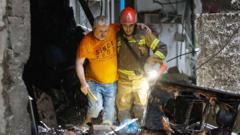
The assault on the Kyiv region claimed 23 lives and left dozens more wounded. Rescue operations continued throughout Monday as emergency services responded to multiple sites struck by falling missiles and debris from intercepted drones. The casualties included civilians caught in residential areas, highlighting the difficulty Ukrainian defenders face in protecting population centers during such intensive bombardments.
Infrastructure across the region sustained considerable damage, with energy facilities, administrative buildings, and residential complexes all affected by the strikes. Emergency services reported that water and electricity supplies were disrupted in numerous areas, compounding challenges for residents dealing with the aftermath of the assault.
Air Defense Capabilities Under Strain
Ukraine's air defense forces successfully intercepted a substantial portion of the incoming weapons, demonstrating the effectiveness of systems like the Patriot and IRIS-T platforms. However, the sheer volume of simultaneous threats exposed critical limitations in available interceptor missiles and launcher systems. Military analysts note that the ratio of incoming weapons to available defensive resources continues to deteriorate as Russia expands production and diversifies its attack vectors.
The shortage of interceptor missiles reflects broader supply chain challenges facing Ukraine's military. While Western allies have provided modern systems and ammunition shipments, the consumption rate of defensive munitions during these massive attacks far exceeds current resupply capabilities. Each interceptor missile deployed during Sunday's assault represents a resource that cannot be replenished quickly, forcing strategic decisions about which targets receive defensive priority.
Strategic Implications and Future Concerns
Military strategists warn that unless interceptor missile supplies increase substantially, Ukraine may face scenarios where incoming strikes cannot be adequately addressed. This vulnerability could shift the operational calculus of future Russian attacks, potentially encouraging even larger coordinated strikes designed to overwhelm remaining defensive capacity. The psychological impact on civilian populations already enduring months of bombardment adds another dimension to Ukraine's security challenges.
President Zelensky has repeatedly called for accelerated deliveries of air defense systems and ammunition from NATO members and allied nations. Ukrainian officials stress that the interceptor missile shortage represents not merely a tactical problem but a strategic vulnerability that threatens the nation's ability to sustain its defense over the medium term.
International Response and Support
Western nations have acknowledged Ukraine's pleas for enhanced air defense capabilities. Recent commitments include additional Patriot systems, IRIS-T launchers, and various interceptor missile variants. However, logistics, manufacturing timelines, and competing demands from multiple nations mean delivery schedules cannot match the pace of Ukrainian consumption rates during intensive Russian operations.
The ongoing crisis underscores the material requirements of modern air warfare and the asymmetries facing Ukraine in a prolonged conflict with Russia's larger industrial base and strategic reserves. Addressing the interceptor missile shortage remains among the highest priorities for Ukraine's military planners as they prepare for continued Russian offensives throughout the coming months.