
Ukraine's Commander Removed Amid Military Leadership Crisis
Oleksandr Syrskyi dismissed from top army position following backlash over Defence Minister Mykhailo Fedorov's controversial removal. Ukraine military restructu...
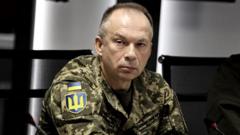
Ukraine's Top Military Commander Faces Dismissal
President Zelensky has made a significant decision regarding Ukraine military commander Oleksandr Syrskyi, removing him from his position as the nation's highest-ranking armed forces official. This major shake-up in Ukraine's military hierarchy comes in response to widespread public and institutional pushback that emerged following recent personnel changes within the country's defense establishment.
The removal of the Ukraine military commander represents a pivotal moment in the restructuring of key defense positions. Syrskyi's dismissal follows mounting criticism directed at senior leadership, particularly concerning decisions that affected other prominent military figures and officials responsible for overseeing national defense operations.
The Catalyst: Defence Minister Controversy
The chain of events leading to Syrskyi's departure centers on the contentious removal of Mykhailo Fedorov, Ukraine's Defence Minister. Fedorov, who had gained considerable support among military personnel, the public, and parliamentary members, was pulled from his position in what many viewed as an unexpected and controversial decision. This action triggered significant backlash that reverberated throughout the country's security apparatus.
Defence Minister Mykhailo Fedorov had become a widely respected figure in Ukraine's defense structure, earning recognition for his work in modernizing military infrastructure and his visibility during critical operations. His abrupt removal raised questions about the direction of military leadership and strategic decision-making at the highest levels of government.
Public and Institutional Response
Days of sustained protests and expressions of concern from various quarters emerged following Fedorov's removal. Military personnel, civil society organizations, and parliamentary representatives voiced their disapproval of the decision. The backlash intensified pressure on President Zelensky's administration to reconsider its approach to military leadership appointments and removals.
The protests reflected deeper concerns within Ukraine about continuity in defense policy and confidence in the nation's top military officials. Observers noted that such upheaval in command structure during a period of ongoing military operations raised strategic concerns about operational effectiveness and institutional stability.
The Dismissal of Syrskyi
In response to the escalating pressure and public dissatisfaction, President Zelensky authorized the removal of Oleksandr Syrskyi from his position as Commander-in-Chief of Ukraine's Armed Forces. Syrskyi, who had held the top military position, became the focal point of criticism regarding the broader military restructuring decisions, particularly those affecting the Defence Minister.
The dismissal signifies a major personnel overhaul within Ukraine's defense establishment. The Ukraine military commander's removal underscores the administration's acknowledgment of public sentiment and the need to respond to institutional and grassroots concerns about leadership direction.
Implications for Ukraine's Military Structure
This significant change in military command raises important questions about succession, strategic continuity, and the future direction of Ukraine's armed forces. The removal of senior leadership figures, including both the Defence Minister and the top military commander, necessitates swift action to appoint capable successors and ensure operational readiness.
Military analysts have noted that such leadership transitions must be managed carefully to avoid any disruption to ongoing operations and strategic initiatives. The stability of command structures remains critical for national defense effectiveness and institutional confidence.
Looking Forward
President Zelensky's decision to remove the Ukraine military commander reflects the government's responsiveness to public pressure and institutional concerns. The administration now faces the task of selecting new leadership that can command confidence across military, political, and civil society spheres.
The broader implications of this military leadership crisis extend beyond simple personnel changes. It highlights tensions within Ukraine's defense establishment and the complex balance between civilian oversight, military autonomy, and public accountability in security decision-making.