
US and Iran Exchange Military Strikes as Iran's Supreme Leader is Laid to Rest
The United States strikes 90 Iranian targets while Iran's supreme leader is buried. Latest conflict updates show 14 casualties since Tuesday. Middle East tensio...
US and Iran Military Strikes Intensify
The US and Iran military strikes have reached a critical juncture as tensions continue to escalate across the Middle East region. According to statements from Central Command, American forces have conducted extensive operations targeting Iranian military installations, marking a significant escalation in the ongoing conflict.
Central Command confirmed that approximately 90 Iranian targets were struck in what officials describe as the latest round of coordinated military operations. The scope and scale of these attacks represent one of the most comprehensive retaliatory campaigns in the recent bilateral dispute, underscoring the severity of current geopolitical circumstances.
Casualty Reports and Humanitarian Impact
The Iranian health ministry released updated figures regarding the human cost of the escalating conflict. According to official statements from Tehran's health authorities, at least 14 individuals have lost their lives since Tuesday, when the military confrontation intensified significantly. These casualty figures underscore the serious humanitarian implications of the ongoing US and Iran military strikes.
The health ministry's reports indicate that casualties span both military and civilian sectors, though precise breakdowns regarding the nature of victims remain unclear. Medical facilities across Iran have been mobilized to handle emergency situations resulting from the recent attacks.
Timing of Operations During Supreme Leader's Funeral
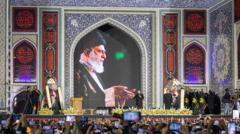
The military operations have occurred simultaneously with one of Iran's most significant state ceremonies—the funeral of Khamenei, the nation's supreme leader. This timing has added substantial complexity to the diplomatic and security landscape, as Iran navigates both mourning its deceased leader and managing active military conflict.
The burial ceremony represents a critical moment in Iranian national affairs, traditionally commanding full governmental attention and international observation. The parallel occurrence of major US military operations during this period has drawn criticism from various international observers and regional analysts who view the timing as particularly sensitive.
Regional Military Response and Defense Systems
Iranian military authorities have activated comprehensive air defense systems throughout the country in response to the sustained attacks. Reports indicate that anti-aircraft batteries and radar installations have been placed on heightened alert status across multiple regions.
The scope of the US and Iran military strikes demonstrates the advanced capabilities both nations possess in modern warfare. Defense analysts note that the targeting approach reflects careful assessment of Iranian military infrastructure, including command centers, weapons storage facilities, and strategic installations.
International Response and Diplomatic Implications
Global powers have expressed varying degrees of concern regarding the escalation of hostilities between the two nations. The United Nations Security Council is monitoring developments closely, though formal diplomatic interventions have been limited thus far.
Strategic partners of the United States, including NATO allies, have been briefed on operational details and the rationale behind military decisions. Meanwhile, nations maintaining diplomatic relations with Iran have urged restraint and the resumption of dialogue channels to prevent further deterioration.
Assessment of Military Objectives
Military analysts suggest that the 90 targets struck were selected based on intelligence assessments regarding their strategic importance to Iran's military capabilities. The comprehensive nature of the operation indicates planning across multiple government agencies and military branches.
Defense experts note that such large-scale operations typically aim to degrade an adversary's capacity for immediate retaliation while minimizing civilian infrastructure damage—though interpretations of this objective vary among international observers.
Humanitarian and Medical Crisis
With 14 deaths confirmed since Tuesday, medical facilities throughout affected regions face increased strain. The Iranian health ministry has activated emergency protocols and mobilized additional resources to handle casualties from the US and Iran military strikes.
International humanitarian organizations are monitoring the situation and preparing for potential assistance requests. The intersection of ongoing conflict with national mourning ceremonies has created logistical challenges for all responding agencies.
Looking Forward
The trajectory of the current crisis remains uncertain, with military planners in both nations assessing options for future responses. The death of Iran's supreme leader during this period adds unpredictability to leadership decision-making processes and complicates diplomatic solutions.
Regional stability will largely depend on whether further military escalation occurs or whether diplomatic channels can be reestablished to halt the cycle of US and Iran military strikes and counterstrikes.