
US Launches Fresh Military Strikes on Iran Following Soldier Deaths
The United States conducts new military operations against Iran to counter threats in the Strait of Hormuz. Trump warns of retaliation for fallen soldiers in es...
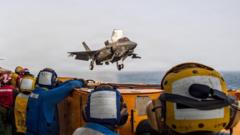
United States Conducts New Military Operations Against Iran
The United States has initiated fresh military strikes on Iran as part of a broader strategic response to regional security threats. These US strikes on Iran represent Washington's latest effort to address escalating tensions in the Middle East and protect vital maritime routes. President Trump has issued stern warnings regarding potential retaliation for the deaths of American service members, signaling a hardened stance on Iranian activities.
Strategic Objectives Behind the Military Campaign
According to official statements, the primary objective of the military operations centers on diminishing Iran's capacity to launch attacks against commercial and military vessels navigating through the critical Strait of Hormuz. Military analysts indicate that the strikes target infrastructure and capabilities that have been used to threaten international shipping and regional stability.
The Strait of Hormuz remains one of the world's most strategically important waterways, with approximately one-third of global maritime petroleum trade passing through its narrow passage. Disruptions to shipping in this region carry significant implications for global energy markets and international commerce.
Trump Administration's Warning on Retaliation
President Trump has made clear that further hostile actions by Iran would face severe consequences. The administration's rhetoric suggests a zero-tolerance approach toward Iranian aggression that results in American casualties. This firm messaging underscores the gravity with which Washington views the current security situation and its commitment to protecting US personnel deployed throughout the region.
The deaths of American soldiers have intensified political pressure on the administration to demonstrate strong resolve. Policymakers have emphasized that the current military response represents both a defensive measure and a deterrent against future Iranian actions.
Geopolitical Context and Regional Implications
These developments occur within a broader pattern of US-Iran tensions that have characterized recent years. The military strikes reflect ongoing disputes over nuclear policy, regional influence, and maritime security. Iran has consistently challenged American naval presence in the Persian Gulf and surrounding waters, while the United States has maintained that freedom of navigation and international law must be upheld.
Regional observers note that military escalation carries unpredictable consequences. The potential for miscalculation or rapid expansion of conflict remains a concern among diplomatic and military experts monitoring the situation closely.
International Response and Shipping Concerns
The renewed military operations have drawn attention from international stakeholders concerned about stability in the Middle East. Global shipping companies have expressed concern about navigating through contested waters where military tensions remain elevated. Insurance companies have adjusted premiums for vessels transiting the Strait of Hormuz, reflecting increased risk assessments.
Allied nations have closely monitored developments while balancing diplomatic relations with both the United States and Iran. The UK, France, and other European partners have called for de-escalation and renewed diplomatic engagement, though their influence on current events appears limited.
Looking Forward
The trajectory of US-Iran relations remains uncertain as military operations continue. Whether the current strikes achieve their stated objectives of degrading Iranian attack capabilities will likely determine the pace of future escalation or the possibility of renewed diplomatic channels. Both Washington and Tehran face pressure to avoid actions that could spiral beyond current levels of conflict while maintaining their respective strategic interests in one of the world's most consequential regions.