
US Launches Retaliatory Strikes on Iran Military Installations
The United States conducts military strikes targeting Iranian missile facilities and coastal radar systems following an attack on a cargo ship in international...
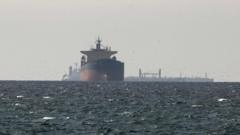
United States Executes Military Response to Iranian Attack
The United States military has carried out decisive strikes on Iran in response to a recent attack targeting a commercial cargo ship. US Central Command confirmed the operation focused on neutralizing key Iranian defense infrastructure, including missile storage facilities, unmanned aerial vehicle repositories, and strategic coastal radar installations.
Details of the Military Operation
According to statements from US Central Command, the retaliatory action specifically targeted multiple Iranian military assets deemed critical to the nation's defense capabilities. The strikes concentrated on three primary categories of facilities: sophisticated missile storage warehouses, drone manufacturing and storage centers, and coastal surveillance radar systems positioned along Iran's maritime borders.
Strategic Objectives
The operation aimed to degrade Iran's ability to conduct further maritime attacks against commercial vessels operating in international waters. By targeting these specific military installations, the US sought to disrupt Iran's capacity for coordinated drone and missile operations that could threaten regional shipping lanes and international commerce.
Context of Escalating Tensions
The incident involving the cargo ship represents part of broader regional tensions affecting maritime security in strategically important waterways. The attack on the commercial vessel prompted immediate diplomatic and military responses from the United States government, which maintains significant naval presence throughout the region.
International Maritime Security Concerns
Commercial shipping in the region has faced mounting challenges over recent months, with multiple vessels experiencing attacks or being targeted by unmanned systems. International maritime authorities have issued warnings to shipping companies operating in affected zones, advising enhanced security protocols and situational awareness during transits through contested waters.
US Central Command's Strategic Assessment
US Central Command maintains comprehensive monitoring capabilities throughout the Middle Eastern theater and surrounding waters. The command's assessment determined that Iranian missile facilities and drone operations posed direct threats to American interests, allied nations, and critical international shipping routes. The decision to conduct these strikes reflected a proportional response to the threat level posed by Iranian military activities.
Military Readiness and Deterrence
The United States demonstrates continued commitment to maintaining regional stability and protecting freedom of navigation in international waters. Military assets positioned throughout the region remain on heightened alert status, prepared to respond to any additional threats emanating from Iranian sources.
Global Implications and Response
The strikes represent a significant escalation in direct military confrontation between the United States and Iran. International observers closely monitor developments, considering potential ramifications for regional security architecture and global energy markets. The incident underscores persistent vulnerabilities in maritime trade routes that are essential to international commerce.
Ongoing Monitoring and Preparation
Military officials indicate that continuous surveillance operations track Iranian military movements and capabilities. The strikes on Iranian missile and drone facilities aim to temporarily disrupt operational capacity while reinforcing deterrence messaging. However, analysts note that longer-term strategic challenges remain regarding Iran's defense modernization programs and acquisition of advanced weaponry.
Concluding Assessment
The United States' decision to conduct military strikes against Iranian installations reflects fundamental security calculations regarding regional threats and international maritime safety. As tensions persist, stakeholders across the international community await further developments and potential diplomatic initiatives aimed at de-escalation. The incident emphasizes the critical importance of maintaining secure shipping corridors and preventing maritime aggression that jeopardizes global trade and regional peace.