
US Military Strikes Iran Following Tanker Attacks in Strait of Hormuz
The United States launches military strikes on Iran after tanker incidents in the Strait of Hormuz. Iran threatens decisive measures in response to the US milit...
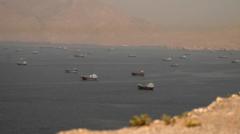
US Military Strikes Iran Following Tanker Attacks in Strait of Hormuz
The United States has conducted military strikes on Iran in response to incidents involving commercial tankers in the Strait of Hormuz. The US military strikes Iran came as tensions escalated in one of the world's most critical maritime corridors, with Washington citing the need to impose "heavy costs" for what it characterized as provocative actions.
Background of the Tanker Incidents
Tensions in the Strait of Hormuz have reached critical levels following reports of damage to commercial vessels transiting through the strategic waterway. The incidents involving tankers prompted swift diplomatic responses from multiple nations with interests in the region's stability and the uninterrupted flow of global energy supplies.
The Strait of Hormuz remains one of the world's most vital shipping lanes, with millions of barrels of oil and liquefied natural gas passing through daily. Any disruption to maritime traffic in this region carries significant implications for global energy markets and international commerce.
US Response and Military Operations
In response to the tanker attacks, the United States authorized military operations targeting Iranian assets and facilities. According to official statements, the strikes were designed to impose substantial financial and strategic consequences on Tehran, demonstrating American commitment to protecting international maritime commerce and regional stability.
The Pentagon emphasized that the military action was proportional and intended to deter future hostile activities. Officials highlighted that the strikes specifically targeted military infrastructure deemed responsible for the attacks on commercial vessels.
Strategic Implications
Military analysts view the US military strikes Iran as part of a broader strategy to maintain naval supremacy in the Persian Gulf and protect American interests in the region. The operation underscores Washington's determination to counter what it perceives as destabilizing behavior in one of the world's most strategically important waterways.
Iran's Response and Counteraction Threats
Following the American military strikes, Iranian officials issued strong statements warning of retaliation. The Islamic Republic declared it would "take decisive measures" in response to what it characterized as an act of aggression and violation of international norms.
Iranian military commanders vowed to respond with force, suggesting the possibility of additional escalation in the already tense Strait of Hormuz situation. Government officials in Tehran condemned the strikes as unprovoked and threatened to increase security operations in the region.
Iranian Perspective
Iran has consistently denied direct responsibility for the tanker incidents, instead suggesting that the attacks serve American interests in justifying military presence and intervention. Iranian statements indicated that the nation views the US military response as an attempt to dominate the Persian Gulf and undermine regional sovereignty.
International Implications and Regional Stability
The escalation surrounding the Strait of Hormuz tanker attacks raises concerns among global stakeholders about maritime security and potential disruption to energy supplies. Multiple nations with commercial interests in the region expressed alarm at the military confrontation developing in this critical corridor.
European nations, along with Asian energy importers, monitored the situation closely given their dependence on stable oil and natural gas transit through the Strait. The prospect of further military conflict threatened to disrupt global energy markets and create economic uncertainty.
Naval Security and International Commerce
The incidents highlighted ongoing challenges to freedom of navigation in international waters. Commercial shipping companies operating in the region faced increased risks, with insurance premiums rising and some vessels choosing alternate, longer routes to avoid the Strait of Hormuz.
International maritime authorities called for de-escalation and diplomatic solutions to prevent further disruptions to the vital sea lanes. The situation demonstrated the vulnerability of global trade infrastructure to regional military conflicts.
Conclusion
The US military strikes Iran incident marks a significant escalation in tensions surrounding the Strait of Hormuz and tanker security. With Iran threatening decisive countermeasures and the United States maintaining its commitment to regional stability, the situation remains fluid and potentially volatile. International observers await further developments as both nations navigate this critical moment in Middle Eastern geopolitics.