
Venezuela Earthquake: Families Search for Trapped Loved Ones
Families maintain desperate vigils at collapsed buildings in earthquake-devastated Venezuela, calling out to trapped relatives. Every rescued person considered...
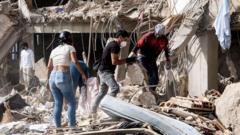
Venezuela Earthquake Devastation: A Nation in Crisis
The Venezuela earthquake has left families across the affected region in anguish, maintaining constant vigils at damaged buildings where they believe their loved ones remain trapped beneath rubble and concrete. This catastrophic natural disaster has transformed communities into rescue zones, where desperate relatives gather day and night, their voices echoing through devastated neighborhoods as they call out to those they fear are lost.
The scale of destruction from the Venezuela earthquake has created an overwhelming humanitarian challenge. Buildings that once stood as symbols of stability have crumbled into mountains of debris, their collapse trapping countless individuals in darkness below. Emergency responders face unprecedented obstacles as they attempt recovery and rescue operations amid the chaos and destruction.
The Impossible Task of Manual Debris Removal
One of the most heartbreaking aspects of this disaster is the families' confrontation with an almost insurmountable obstacle: the sheer weight and volume of heavy debris blocking access to trapped individuals. Without sufficient heavy machinery and specialized equipment, family members have resorted to manual removal efforts, using whatever tools they can find to move concrete slabs, steel reinforcement bars, and twisted metal structures.
These grieving relatives work tirelessly, their hands bleeding and their bodies exhausted, driven solely by hope and desperation. The physical demands of clearing debris without proper equipment means progress is agonizingly slow. Each piece of rubble moved is celebrated as a potential breakthrough, yet the enormity of the task ahead remains daunting.
Families Maintain Constant Vigils
Encampments have formed around the most severely affected buildings. Families establish makeshift shelters near the wreckage, unwilling to abandon their posts even for brief respites. They sleep in shifts, always keeping watch, always listening for any sound that might indicate life beneath the rubble. The psychological toll of this uncertainty is profound and exhausting.
In these vigils, relatives call out names repeatedly, hoping against hope to hear responses from those trapped below. Some families have been maintaining their watch for days, refusing offers of food or shelter until they receive news of their loved ones. The emotional intensity of these scenes reflects the deep human bonds that transcend disaster and despair.
Every Rescue Hailed as Miraculous
Within this landscape of devastation, each successful rescue has become a profound moment of celebration and gratitude. When survivors are pulled from the rubble, entire communities gather to witness the miracle of life. Rescuers, family members, and onlookers embrace, tears streaming as another person returns to the world above.
Emergency responders have emphasized that every person saved represents an extraordinary achievement given the challenging conditions. The combination of structural instability, limited equipment, and time pressure makes each rescue a testament to human determination and teamwork. These moments of success, though rare, provide crucial motivation for continued search and rescue efforts.
Regional Impact and Response Challenges
The affected region faces cascading humanitarian challenges beyond the immediate rescue operations. Medical facilities are overwhelmed with injured survivors requiring immediate attention. Water and food supplies are critically limited as distribution networks have been disrupted. Entire neighborhoods lack electricity and safe shelter as aftershocks continue to threaten remaining structures.
International aid organizations have begun mobilizing resources, but the geographical challenges and infrastructure damage complicate delivery of essential supplies and personnel. The government has declared emergency protocols, though coordinating response efforts across the devastated landscape remains extraordinarily difficult.
Hope Amid Uncertainty
Despite overwhelming odds, families continue their vigils with unwavering hope. Stories of remarkable survivals—of people found days after buildings collapsed, having survived on minimal water and air pockets—fuel the determination to continue searching. These narratives of resilience and survival drive rescue teams and families forward, reinforcing belief that miracles remain possible.
The Venezuela earthquake has revealed both human suffering and human resilience. As families maintain their desperate watch and rescue efforts continue against impossible circumstances, the nation confronts both immediate crisis and long-term reconstruction challenges that will define its future recovery.