
West Bank Settler Siege Leaves Palestinian Families Trapped
Israeli settlers continue besieging Palestinian families in West Bank village as security forces withdraw. Dozens trapped since Sunday in escalating territorial...
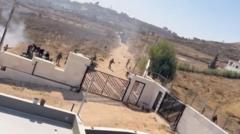
Settler Siege Continues Against Palestinian Families in West Bank
Palestinian families besieged in a West Bank village face an ongoing crisis as Israeli settlers maintain their presence at the disputed location. The situation, which began on Sunday, has left two families essentially trapped within their community while international attention focuses on the escalating territorial confrontation.
Security Forces Withdraw From Village Site
According to recent reports, Israeli security forces have reportedly withdrawn from the area where the Palestinian families remain under siege. This withdrawal marks a significant development in the standoff, leaving approximately a dozen settlers at the location. The departure of official military presence has raised concerns among humanitarian observers about the safety and protection of the besieged residents.
Limited Israeli Military Presence
The reduced security force deployment suggests a shift in the official approach to the settlement dispute. With Israeli security personnel no longer maintaining a visible presence, the settlers have continued their occupation of the site, effectively cutting off access for the Palestinian families. This pattern of withdrawal followed by settler persistence has become increasingly common in disputed West Bank territories.
Impact on Palestinian Residents
The two families trapped since Sunday face severe restrictions on movement and access to essential services. Basic necessities including food, water, and medical supplies have become difficult to obtain. The psychological toll of the siege extends beyond immediate material hardship, affecting the mental health and security perception of residents who fear for their families' well-being.
Community Response to the Siege
Local Palestinian community leaders have called for immediate international intervention. Villages in the West Bank region have mobilized support networks to attempt humanitarian aid delivery, though such efforts frequently encounter obstacles at settler checkpoints and roadblocks established around the besieged area.
Historical Context of West Bank Settlements
This incident reflects broader patterns of settler expansion and territorial disputes in the West Bank. Since the establishment of Israeli settlements in occupied Palestinian territories, similar sieges and confrontations have periodically erupted. The situation represents one of many instances where Palestinian families find themselves isolated by settler activity and military actions.
Legal and International Dimensions
International legal experts have characterized many Israeli settlements as violating international law regarding occupied territories. The besieging of Palestinian families raises additional humanitarian concerns under conventions governing civilian protection during armed conflicts and occupation scenarios.
Ongoing Tensions in Palestinian Territory
The West Bank continues to experience sporadic violence and territorial disputes involving Israeli settlers, Palestinian residents, and military forces. These confrontations underscore the fragile nature of coexistence in disputed areas where competing claims to land create persistent flashpoints for conflict.
Humanitarian Access Challenges
Organizations monitoring the situation report significant obstacles to delivering humanitarian assistance to besieged Palestinian families. Roadblocks, settler checkpoints, and security restrictions have severely limited the ability of aid organizations to reach affected populations with food, medicine, and other critical resources.
Future Outlook for Besieged Families
Without intervention, the Palestinian families besieged in the West Bank village face indefinite restrictions on their freedom of movement and access to services. The case highlights the vulnerability of civilian populations caught in territorial disputes and the urgent need for mechanisms to protect vulnerable residents from siege tactics and settler intimidation.