
Why GPS Trackers May Fail to Recover Your Stolen Vehicle
Discover why GPS trackers often cannot locate stolen cars in the UK. Experts explain legal barriers and limitations affecting vehicle recovery systems.
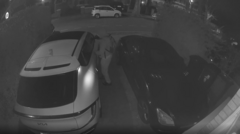
Stolen Car Trackers: Understanding the Recovery Challenge
When your vehicle goes missing, stolen car trackers seem like the obvious solution to locate and recover your property. However, automotive experts and security analysts are raising serious concerns about the actual effectiveness of these tracking systems. Recent statements from major manufacturers like Kia reveal that regulatory constraints in the United Kingdom significantly limit how these technologies can function in real-world theft situations.
The gap between what consumers expect from stolen car trackers and what these systems can legally deliver has become increasingly apparent. Manufacturers have been forced to acknowledge that existing legislation prevents them from activating their most powerful tracking capabilities when vehicles are reported missing. This disconnect raises important questions about the true value of investing in aftermarket tracking solutions.
Legal Barriers Preventing Live Vehicle Tracking
According to Kia's official communication to the BBC, UK law explicitly restricts how location tracking functions can be deployed for stolen cars. The manufacturer stated that current legislation prevents the implementation of live tracking capabilities that would otherwise be technically possible. This legal framework exists ostensibly to protect driver privacy, but it creates a significant obstacle for vehicle recovery efforts.
The legislation in question was designed before modern tracking technology became commonplace. As a result, the rules governing location tracking have not been updated to address the specific needs of theft recovery scenarios. Manufacturers must navigate complex privacy regulations while attempting to offer customers protection against vehicle theft, creating a situation where stolen car trackers cannot operate at their full potential.
Privacy Regulations vs. Security Needs
The UK's data protection and privacy laws present a fundamental conflict with real-time vehicle tracking. While these regulations serve an important purpose in protecting citizens' privacy rights, they inadvertently undermine theft prevention measures. Stolen car trackers must comply with strict guidelines that limit their operational scope, even when the vehicle owner explicitly authorizes tracking.
Why Stolen Car Trackers Face Limitations
Beyond legislative constraints, stolen car trackers encounter other practical obstacles that reduce their effectiveness. GPS technology itself has inherent limitations, including signal loss in urban environments, underground parking facilities, and areas with poor satellite visibility. These technical challenges compound the legal restrictions, creating a situation where stolen car trackers may not function as advertised.
Additionally, the response time between detection and recovery matters significantly. Even when stolen car trackers successfully identify a vehicle's location, coordinating with law enforcement to recover the asset takes time. In many cases, thieves can move vehicles quickly, potentially to shipping ports where they are exported before recovery teams can arrive. This narrow window of opportunity means that stolen car trackers must provide instantaneous updates, something current UK regulations don't permit.
The Response Time Problem
Police response to stolen vehicle reports varies considerably depending on jurisdiction and available resources. While stolen car trackers can theoretically pinpoint a vehicle's location, law enforcement may not be able to prioritize vehicle theft recovery, particularly if the car isn't equipped with valuable cargo or technology. This gap between tracking capability and actual recovery potential undermines the value proposition of these systems.
Alternative Approaches to Vehicle Security
Given the limitations of stolen car trackers, security experts recommend a multi-layered approach to protecting vehicles from theft. Visible deterrents such as steering wheel locks and alarm system decals can discourage opportunistic thieves. Additionally, parking in well-lit, high-traffic areas significantly reduces theft risk compared to isolated locations.
Immobilizer technology represents another valuable component of comprehensive vehicle security. Modern immobilizers prevent engines from starting without the correct key or authentication code, effectively thwarting traditional hot-wiring methods. When combined with stolen car trackers, immobilizers create a more robust security framework.
Comprehensive Vehicle Protection Strategy
Insurance providers increasingly recommend combining multiple security measures rather than relying solely on stolen car trackers. This includes comprehensive insurance coverage that protects against loss, regular vehicle maintenance that ensures functioning security systems, and behavioral practices such as never leaving keys in unattended vehicles.
The Future of Vehicle Tracking Technology
Manufacturers and technology developers are actively working with policymakers to modernize regulations governing stolen car trackers. Industry leaders argue that updated legislation could permit live tracking during theft situations while maintaining privacy protections during normal vehicle operation. Some proposals suggest that explicit owner consent could unlock enhanced tracking capabilities specifically for theft recovery scenarios.
Technological innovations may also provide solutions that don't rely on continuous live tracking. Geofencing capabilities, for example, alert owners when vehicles leave predetermined areas without authorization. These systems operate within current legal frameworks while providing valuable security information to vehicle owners and law enforcement agencies.
What Vehicle Owners Should Know
Before purchasing stolen car trackers, consumers should understand their actual limitations rather than marketing claims. Research the specific regulations that apply in your jurisdiction, and ask manufacturers directly about what their stolen car trackers can legally do. Many systems offer valuable features beyond real-time tracking, including geofencing, theft alerts, and usage monitoring that provide security benefits within legal parameters.
The reality of stolen car trackers represents an important lesson in the gap between technology capabilities and regulatory permissions. While these systems may contribute to a comprehensive security strategy, they cannot serve as a standalone solution to vehicle theft. Understanding both their potential and limitations allows vehicle owners to make informed decisions about protecting their assets and developing realistic expectations about recovery prospects.