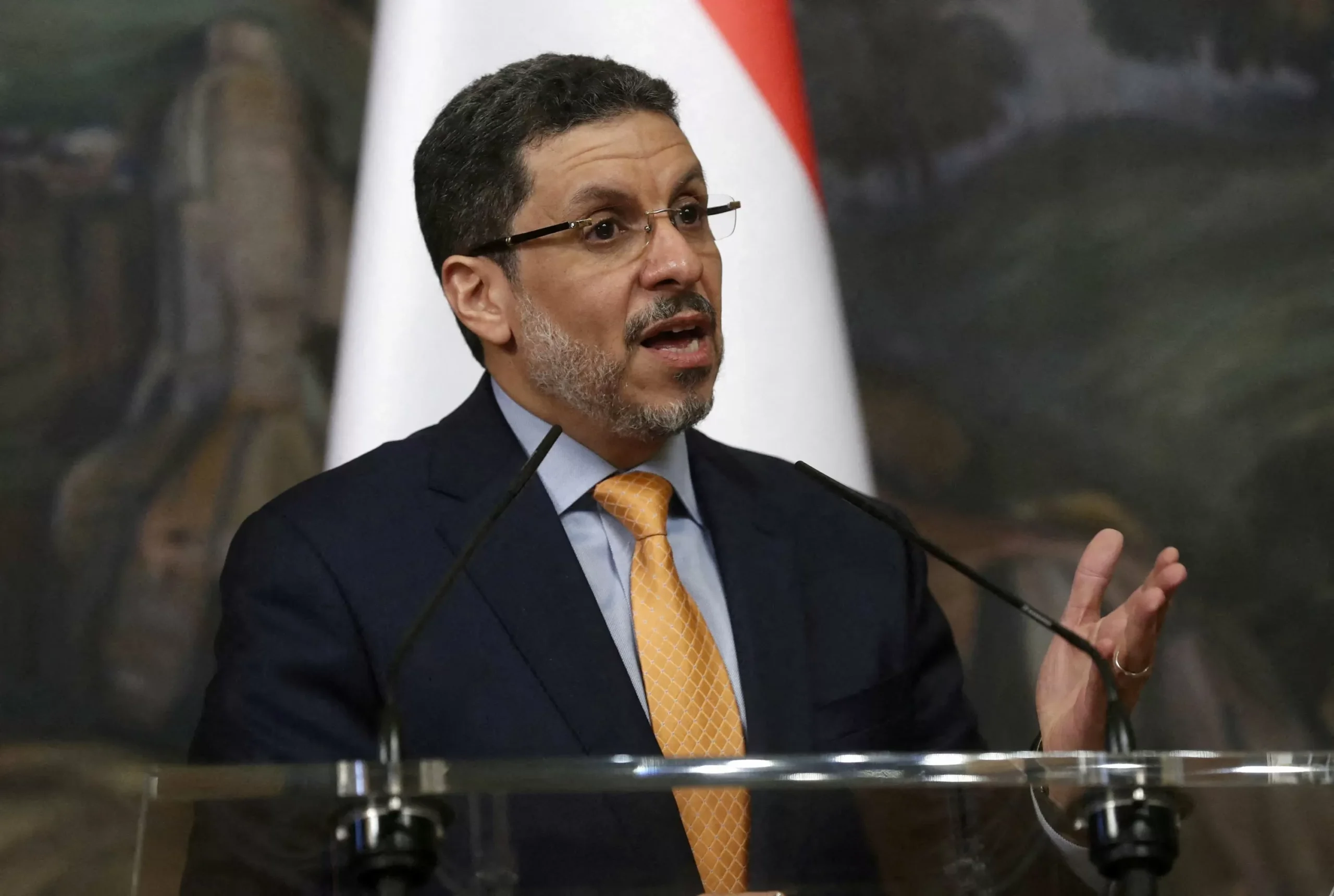
Yemen’s internationally recognized Prime Minister Ahmed Awad Bin Mubarak has resigned, highlighting the ongoing challenges faced by the country in the midst of a decade-long war and political turmoil. The resignation, which was announced on Saturday, has once again brought to light the fractured anti-Houthi front in Yemen and the urgent need for a united effort to bring stability and peace to the war-torn nation.
Mubarak’s resignation comes at a critical time for Yemen, as the country continues to grapple with the devastating effects of a civil war that has left millions of people in dire need of humanitarian aid. The conflict, which began in 2014, has pitted the internationally recognized government, led by President Abdrabbuh Mansur Hadi, against the Houthi rebels who control the capital city of Sana’a and other parts of the country.
In his resignation letter, Mubarak cited the “difficult conditions” in Yemen and the “lack of support” from the international community as reasons for his decision. He also expressed his frustration with the ongoing power struggles and divisions within the anti-Houthi coalition, which have hindered their efforts to defeat the rebels and bring peace to the country.
Mubarak’s resignation is a blow to the Yemeni government and its allies, who have been struggling to make progress in the fight against the Houthis. It also highlights the deep-rooted challenges facing the country, including political instability, economic collapse, and widespread humanitarian crisis.
The resignation of Mubarak, who has been a key figure in the Yemeni government since 2014, is a wake-up call for all parties involved in the conflict. It serves as a reminder that the only way to end the suffering of the Yemeni people is through a united and coordinated effort.
The international community must also take note of Mubarak’s resignation and step up their efforts to support Yemen in its quest for peace and stability. The ongoing conflict has had a devastating impact on the country’s infrastructure, economy, and people, and it is imperative that the international community provides the necessary aid and assistance to alleviate the suffering of the Yemeni people.
The resignation of Mubarak also highlights the urgent need for a political solution to the conflict. The ongoing power struggles and divisions within the anti-Houthi coalition have only served to prolong the suffering of the Yemeni people. It is time for all parties to put their differences aside and come together to find a peaceful resolution to the conflict.
The people of Yemen have endured a decade of war, and their resilience and determination to overcome the challenges facing their country is truly commendable. Despite the difficult conditions, they have continued to fight for their rights and for a better future for their children.
It is now up to the leaders of Yemen to put the interests of their people above their own and work towards a peaceful and prosperous future for the country. The resignation of Mubarak should serve as a wake-up call for all parties involved to prioritize the well-being of the Yemeni people and work towards a lasting solution to the conflict.
In conclusion, the resignation of Prime Minister Ahmed Awad Bin Mubarak is a significant development in the ongoing conflict in Yemen. It highlights the urgent need for a united effort to bring peace and stability to the country and serves as a reminder that the only way to end the suffering of the Yemeni people is through a coordinated and inclusive approach. It is time for all parties involved to put their differences aside and work towards a brighter future for Yemen.