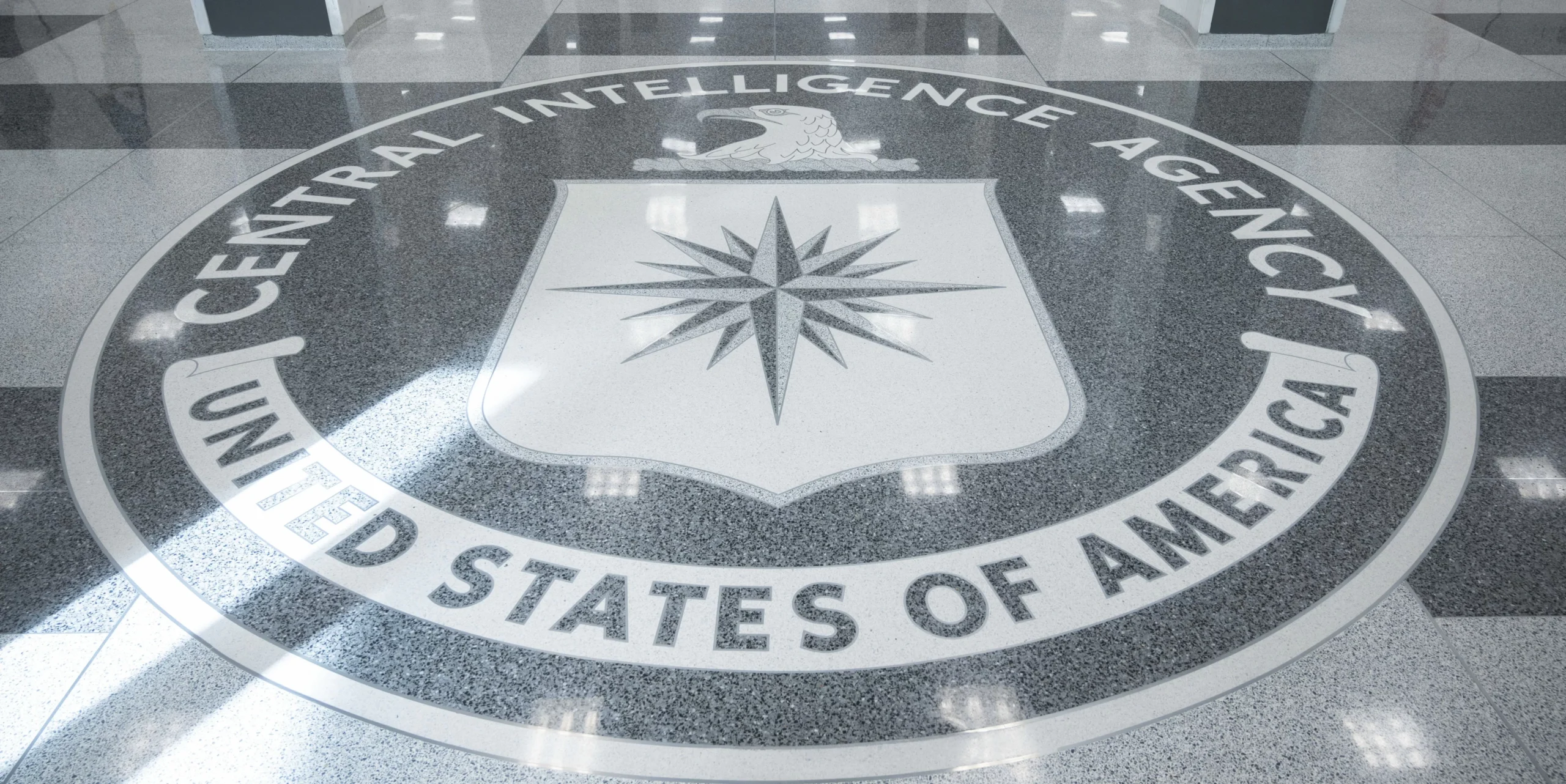
The recent drone strike in Venezuela on December 24 has once again brought to light the long history of CIA interventions in Latin America. While the strike was initially attributed to a group of rebels, a source has now come forward claiming that it was in fact orchestrated by the CIA. This revelation has sparked outrage and calls for accountability, but it is unfortunately not a new story. The CIA’s interference in Latin America has a long and troubling history, often leading to destabilization and unintended consequences.
The CIA has a well-documented history of involvement in Latin American affairs, dating back to the 1950s. During the Cold War, the agency saw Latin America as a battleground for ideological influence and worked to prevent the spread of communism in the region. This often involved covert operations, including the overthrow of democratically elected governments and support for dictators who aligned with American interests. These interventions had devastating consequences for the people of Latin America, causing political turmoil, economic instability, and human rights abuses.
One of the most notorious examples of CIA intervention in Latin America is the overthrow of Chilean President Salvador Allende in 1973. Allende, a democratically elected socialist, threatened American economic interests in the region and was seen as a threat to US national security. The CIA, along with the Chilean military, orchestrated a coup that resulted in Allende’s death and the installation of military dictator Augusto Pinochet. Pinochet’s regime was marked by widespread human rights abuses, including torture and disappearances of political dissidents.
But the consequences of CIA interventions in Latin America were not limited to political and economic upheaval. In many cases, they also led to blowback, or unintended consequences that came back to harm the United States. One notable example is the Iran-Contra affair in the 1980s, in which the CIA funneled money and weapons to the Contras, a rebel group fighting against the socialist government in Nicaragua. This covert operation not only violated US laws, but also contributed to the destabilization of the region and the rise of drug trafficking and organized crime.
The recent drone strike in Venezuela is just the latest example of the CIA’s meddling in Latin America. According to the source, the strike was carried out with the intention of assassinating President Nicolás Maduro, who has been a vocal critic of the United States. While the strike failed, it has once again raised questions about the role of the CIA in the region and the potential consequences of their actions. It also highlights the need for transparency and accountability in the agency’s operations.
The CIA’s involvement in Latin America has had far-reaching and long-lasting effects, shaping the political and social landscape of the region. The agency’s actions have often been driven by short-term interests and a disregard for the sovereignty and well-being of Latin American countries. This has led to a deep mistrust of the United States in the region and has damaged diplomatic relations.
It is time for the United States to reflect on its past actions and take responsibility for the harm caused by CIA interventions in Latin America. The people of Latin America deserve to live in peace and stability, free from foreign interference. It is also in the best interest of the United States to foster positive relationships with its neighbors and promote democracy and human rights in the region.
In conclusion, the recent drone strike in Venezuela is not an isolated incident, but rather a continuation of a long and troubling history of CIA interventions in Latin America. It is imperative that the United States acknowledges and learns from its past mistakes and works towards building a more positive and cooperative relationship with its southern neighbors. Only then can we hope to see a more stable and prosperous Latin America.