
Canned Cocktails Boom: Why Britain Embraced Tinified Drinks
Discover how canned cocktails became Britain's favourite beverages. From margaritas to negronis, explore the 40-year evolution of ready-mixed drinks.
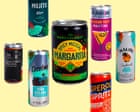
The Rise of Canned Cocktails in Modern Britain
Canned cocktails have transformed the beverage landscape across the United Kingdom over the past four decades. What began as an experimental venture by Marks & Spencer with gin and tonic offerings has evolved into a widespread phenomenon, with virtually every supermarket and corner shop now stocking an extensive selection of ready-mixed mojitos, margaritas, negronis, and cosmopolitans. This shift represents a fundamental change in how British consumers approach cocktail consumption, convenience, and social drinking practices.
The presence of canned cocktails extends far beyond traditional retail environments. These tinified drinks have become ubiquitous fixtures in modern British life, accessible at every turn for those seeking a quick cocktail fix. Unlike the moral panic that surrounded alcopops in previous decades, canned cocktails have gained surprising social acceptance and legitimacy. This distinction raises intriguing questions about consumer preferences, marketing strategies, and evolving attitudes toward pre-mixed alcoholic beverages in contemporary society.
A Practical Solution for Modern Lifestyles
The convenience factor cannot be overstated when discussing the explosion of canned cocktails. Consider a typical scenario: a summer evening journey across London requires an hour-long tube ride. Rather than arriving at a destination parched or thirsty, travellers can simply carry along pre-chilled cans of margarita or other favourites. The portability and ready-to-drink nature of these beverages make them ideal companions for commutes, outdoor gatherings, and spontaneous social occasions.
The sensory experience of enjoying canned cocktails adds another layer to their appeal. The distinctive aromas—such as the sweet lime scent of a margarita—create an immersive drinking experience that transforms mundane journeys into mini-celebrations. Passengers sharing the same transport often find themselves united by their beverage choices, creating unexpected moments of social connection and camaraderie among strangers who might otherwise never interact.
The Question of Propriety and Perception
An interesting cultural distinction has emerged regarding public consumption of different canned alcoholic beverages. Conventional wisdom suggests that openly consuming a four-pack of lager on public transport might raise eyebrows and be perceived as uncouth or inappropriately rowdy. Canned cocktails, by contrast, occupy a different social position. According to Jimmy McIntosh, founder of the popular Instagram account @londondeadpubs, there exists a perception that canned cocktails feel inherently more discrete and civilised compared to traditional beer.
This perception gap highlights how branding, presentation, and cultural associations influence consumer behaviour and social acceptance. The cocktail connotations—sophistication, mixology, artistry—transfer to their canned iterations, lending them a veneer of respectability that standard lager lacks. The tins themselves often feature sleek, professional designs that suggest premium quality and intentional craftsmanship rather than casual, unrefined consumption.
Regulatory Context and Practical Workarounds
In 2008, during the depths of the financial recession, Transport for London implemented a ban on drinking alcoholic beverages across all public transport services. Intended as a measure to maintain order and safety on the underground network, this regulation represented a significant shift in commuting culture. Yet nearly two decades later, enforcement appears inconsistent, with the rule functioning more as a suggestion than an absolute requirement.
The physical dimensions of canned cocktails provide an unintended practical advantage for those inclined to circumvent these restrictions. Their compact size allows easy concealment within pockets, bags, or other personal items, making them significantly less conspicuous than larger bottles or multi-can packages of traditional beverages. This discretion factor contributes to their growing popularity among travellers and commuters seeking subtle refreshment during their journeys.
The Evolution from Alcopops to Premium Canned Cocktails
The acceptance of canned cocktails stands in sharp contrast to previous moral panics surrounding alcopops—brightly coloured, sweet-tasting alcoholic beverages that faced intense criticism for allegedly targeting young consumers and encouraging excessive drinking. Those concerns generated regulatory scrutiny, social condemnation, and widespread disapproval from health advocates and policymakers.
Canned cocktails, despite being similarly pre-mixed and convenient, have avoided such backlash. Several factors contribute to this distinction: their association with established cocktail culture, their premium positioning and pricing, their more sophisticated packaging and branding, and their appeal to adult consumers rather than teenagers. Additionally, the classic cocktail recipes they represent—cosmopolitans, negronis, and margaritas—carry cultural prestige and historical significance that transcends simple refreshment.
Conclusion: A New Era in British Drinking Culture
The tinification of cocktails represents more than merely another consumer trend or retail innovation. It reflects broader changes in British attitudes toward convenience, sophistication, and social drinking. From the initial Marks & Spencer gin and tonic cans to today's diverse selection of ready-mixed cocktails in every conceivable flavour and style, canned cocktails have achieved remarkable market penetration and cultural acceptance. This evolution demonstrates how products can overcome initial skepticism through strategic positioning, quality improvement, and alignment with consumer lifestyle aspirations. As canned cocktails continue to dominate supermarket shelves and become increasingly integrated into British social occasions, they promise to remain a defining feature of contemporary drinking culture for decades to come.