
Colombia's Gang Violence Crisis Dominates Historic Presidential Race
Colombia's escalating gang violence shapes presidential election as left-wing candidate backs peace talks while Trump-endorsed outsider offers contrasting visio...
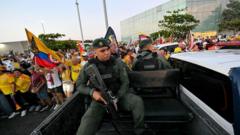
Colombia's Gang Violence Crisis Dominates Historic Presidential Race
Colombia gang violence has emerged as the defining issue in a presidential election that represents a stark ideological clash between two fundamentally different approaches to combating organized crime and insurgent groups. The nation faces an unprecedented moment where voters must choose between competing visions for addressing the brutal turf wars that have devastated communities across the country.
The Left-Wing Peace Negotiation Approach
A prominent left-leaning senator has positioned himself as the candidate willing to pursue dialogue with armed criminal organizations, arguing that military-only strategies have failed to curb violence over decades. This politician contends that negotiated settlements, similar to historical peace processes, offer the most viable path toward reducing casualties and establishing stability in gang-controlled territories.
Supporters of this approach emphasize that direct talks with armed groups could address underlying grievances, dismantle criminal networks from within, and create conditions for sustainable peace. The candidate has articulated a vision emphasizing social investment in marginalized regions where gang recruitment thrives, suggesting that poverty reduction and opportunity creation must accompany security operations.
The Trump-Backed Outsider's Security-First Agenda
In sharp contrast, an anti-establishment figure who has secured endorsement from former U.S. President Donald Trump advocates for aggressive military and police crackdowns against armed organizations. This candidate represents a departure from traditional political establishments, appealing to voters frustrated with gang violence's impact on daily life and economic development.
The outsider candidate emphasizes law enforcement operations, judicial accountability, and international cooperation to combat organized crime networks. This strategy prioritizes rapidly reducing visible violence through enforcement actions, border security improvements, and targeted military operations in zones controlled by criminal groups.
Colombia's Deteriorating Security Landscape
Colombia gang violence has reached concerning levels, with multiple armed groups competing for territorial control, drug trafficking routes, and extortion networks. The violence extends beyond traditional conflict zones into urban centers, affecting civilians, businesspeople, and journalists. Recent years have witnessed horrific massacres, forced displacement, and systematic criminal extortion targeting legitimate economic sectors.
This escalating crisis has prompted international concern, particularly from Washington, which views stability in Colombia as essential for regional security and counternarcotics efforts. The election outcome carries implications beyond national borders, potentially affecting U.S. policy toward South America and bilateral security cooperation agreements.
Voter Concerns and Election Dynamics
Colombian voters express deep anxiety about personal safety, economic opportunities, and the state's capacity to maintain order. The presidential race reflects broader divisions about whether traditional security measures or innovative peace initiatives better serve national interests. Urban and rural populations experience gang violence differently, creating distinct regional voting patterns and policy preferences.
The election has intensified polarization, with neither candidate commanding overwhelming support. Analysts suggest the race remains fluid, with undecided voters potentially determining the outcome. Media coverage emphasizes both candidates' positions on critical issues including extradition policies, military spending, and international law enforcement cooperation.
International Implications and U.S. Involvement
The Trump endorsement signals significant international dimensions to this election. The former U.S. president's backing reflects perceived alignment with harder-line security policies consistent with American drug war priorities. Meanwhile, progressive international observers and some Latin American governments have expressed support for dialogue-based approaches.
Colombia's election outcome will influence bilateral relations with the United States, including military aid allocations, intelligence sharing, and counternarcotics operations. The result also carries consequences for regional diplomacy, potentially affecting neighboring countries confronting similar gang violence and displacement challenges.
Challenges Ahead for the Next Administration
Regardless of electoral outcome, the incoming administration faces daunting security challenges requiring sustained resources and strategic patience. Gang violence networks demonstrate resilience, adaptability, and capacity to generate substantial criminal revenues that fund further recruitment and operations. Addressing root causes while simultaneously reducing immediate threats requires sophisticated policy integration.
The successful presidential candidate must navigate complex relationships with military institutions, judicial systems potentially compromised by corruption, and international partners with distinct strategic interests. Legitimacy and popular support remain essential, suggesting that whichever approach prevails must demonstrate tangible improvements in security and livelihood conditions within reasonable timeframes.