
Dover Vigilantes Warn of Fresh Blockades if Police Fail to Act
Far-right linked vigilante group threatens repeat Dover disruptions. Police inaction blamed by campaigners and Hope Not Hate founder for group's scale.
Dover Vigilantes Warn of Fresh Blockades if Police Fail to Act
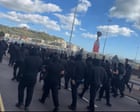
The masked, black-clad demonstrators who disrupted traffic in Dover represent a growing concern for local authorities and campaign groups monitoring far-right activism. Unless police enforcement intensifies significantly, Dover vigilantes could return to block critical transport routes once again, according to politicians and anti-extremism organizations operating in the region.
Escalating Tensions at UK Port
The organized blockade of key roads leading to the Port of Dover shocked residents and businesses dependent on smooth traffic flow through the strategic transport hub. The coordinated nature of the action demonstrated the ability of these groups to mobilize substantial numbers of supporters in a short timeframe. Political figures and civil society representatives have expressed alarm at the potential for recurrence, emphasizing that without decisive intervention from law enforcement, similar demonstrations remain highly likely.
Patriot Platform Claims Responsibility
The group styling itself as Patriot Platform has publicly taken credit for organizing the Dover action. This organization positions itself within anti-immigration activism circles and maintains documented connections to broader far-right networks operating across the United Kingdom. The group's stated mission centers on what they describe as maintaining a "fierce love for our homeland," language that reflects common themes within exclusionary nationalist movements.
Hope Not Hate Founder Criticizes Police Inaction
Officials from Hope Not Hate, a prominent organization dedicated to countering extremism and hate-based movements, have directly attributed the group's ability to mobilize at this scale to perceived inadequate police response. The founder emphasized that when enforcement agencies fail to take proactive measures against known extremist organizers, such groups grow emboldened to stage additional demonstrations and public actions. This analysis suggests a troubling pattern whereby limited intervention creates a vacuum that activists exploit.
Political Pressure Mounting
Members of Parliament representing the Dover constituency and neighboring areas have begun applying pressure on Kent Police and the Home Office to develop more comprehensive strategies for managing far-right demonstrations. Political leaders argue that allowing such blockades to proceed unchallenged sends incorrect signals about the state's commitment to maintaining order and protecting legitimate commerce. The Port of Dover serves as one of Britain's most economically vital transport corridors, making disruptions particularly consequential for national commerce and supply chains.
Law Enforcement Response Questioned
Questions have emerged regarding whether current policing protocols adequately address the specific tactics employed by these protest movements. Critics argue that the coordinated nature of the Dover action, combined with participants' deliberate obscuring of identity through balaclavas and dark clothing, suggests premeditated planning that should have triggered enhanced monitoring by authorities. The disconnect between activist coordination and police preparedness has become a central point of contention among oversight bodies.
Broader Context of Anti-Immigration Activism
The Dover incident reflects wider tensions surrounding immigration policy debates in the United Kingdom. Groups positioning themselves as defenders of national interests have increasingly adopted street-level protest tactics to demonstrate public opposition to immigration policies they oppose. These movements recruit participants from various demographic backgrounds, though academic research indicates core leadership typically consists of known far-right activists with established organizational histories.
Concerns About Escalation
Campaigners warn that without meaningful police intervention, such groups will perceive public demonstrations as effective tactics worth repeating. The absence of significant legal consequences for organizers and participants may encourage larger-scale mobilizations in coming months. Civil liberties observers note the tension between protecting legitimate protest rights and preventing organized disruptions that impact innocent third parties and economic activity.
Path Forward
Moving forward, anti-extremism organizations are calling for enhanced information-sharing between police forces, improved surveillance of known activist networks, and swifter response protocols when demonstrations are being organized. These recommendations aim to balance security concerns with maintaining proportionate and legally defensible law enforcement practices. The situation in Dover represents a test case for how authorities manage far-right activism in the post-pandemic environment, where group mobilization capabilities have evolved significantly.