
Germany Reconsiders Coal Power Amid Rising Gas Prices
Germany may reverse its coal phase-out plan due to surging natural gas costs. Discover how energy prices are reshaping Germany's power generation strategy.
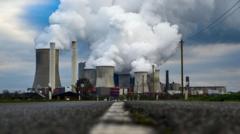
Germany's Shifting Energy Strategy
Coal power in Germany is experiencing renewed attention as policymakers grapple with unprecedented energy challenges. The nation's traditional commitment to abandoning coal-fired electricity generation faces mounting pressure from volatile natural gas markets and escalating energy costs that threaten both industrial competitiveness and household affordability.
For years, Germany has pursued an ambitious Energiewende—an energy transition designed to phase out coal entirely while embracing renewable sources. However, recent market disruptions have forced government officials and energy experts to reassess whether this timeline remains viable given current economic realities and geopolitical tensions affecting fuel supplies.
Natural Gas Price Volatility and Its Impact
The dramatic surge in natural gas prices represents the primary catalyst driving renewed interest in coal power generation. Wholesale gas prices have experienced unprecedented volatility, reflecting supply chain disruptions and increased global demand competing for limited resources. These price spikes directly impact electricity costs for consumers and manufacturers, making alternative energy sources suddenly more economically attractive.
Industrial sectors that depend on stable, affordable energy have voiced concerns about Germany's current energy infrastructure. When natural gas becomes prohibitively expensive, coal-powered facilities offer an immediate, infrastructure-ready solution that requires less investment than rapid renewable energy expansion.
The Coal Phase-Out Dilemma
Germany had established a legally binding commitment to eliminate coal power by 2038, with earlier targets for specific regions. This coal phase-out represented one of Europe's most aggressive decarbonization schedules. The plan involved decommissioning coal plants systematically while simultaneously scaling up wind, solar, and battery storage capacity.
However, the transition has encountered significant obstacles. Renewable energy infrastructure development takes considerable time, and battery storage technology, while improving, remains expensive at the scales necessary for national energy security. The collision between ambitious environmental goals and practical energy constraints has created a genuine policy challenge.
Government Considerations and Policy Options
Energy officials are exploring multiple scenarios that could allow temporary extensions for coal facilities currently scheduled for closure. Some proposals suggest keeping certain plants operational as backup capacity during periods of low renewable generation, rather than permanent resumption of coal as a primary energy source.
The debate encompasses various stakeholder perspectives. Environmental advocates argue that delaying the coal phase-out undermines climate commitments and international emissions reduction targets. Meanwhile, energy security specialists contend that maintaining some coal capacity ensures grid stability during the transition period.
International Context and Competitive Pressures
Germany's energy dilemma reflects broader European challenges. Neighboring countries face similar pressures regarding fuel costs and energy security. The geopolitical situation affecting energy supplies has accelerated discussions about energy independence and domestic fuel sources across the continent.
Other nations have already extended coal plant operations or delayed phase-out timelines, creating competitive concerns about industrial costs and manufacturing locations. Germany risks economic disadvantage if electricity becomes significantly more expensive than in rival European economies.
Future Outlook and Renewable Integration
Despite current pressures, Germany remains committed to increasing renewable energy capacity substantially. The question centers not on whether transition to cleaner energy will occur, but rather on the optimal timeline and intermediate steps necessary for managing the transition responsibly.
Expanding renewable energy infrastructure, particularly offshore wind and solar installations, continues advancing. Additionally, hydrogen technology development offers potential long-term solutions for industrial applications currently dependent on natural gas. These investments require sustained commitment and adequate funding to succeed.
The conversation about coal power in Germany ultimately reflects the complex realities of modern energy policy. Economic pressures, environmental objectives, technological capabilities, and geopolitical circumstances all demand careful balancing. While coal phase-out remains official policy, temporary operational extensions or strategic reserves for coal facilities represent serious policy considerations for maintaining energy stability during the renewable transition period.