
Lebanese Turtle Advocate Mona Khalil Dies in Israeli Military Strike
Mona Khalil, Lebanese turtle conservationist, killed in Israeli strike while protecting coastal sanctuary. Read about her legacy and conservation efforts.
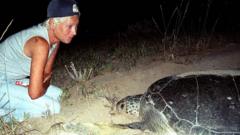
Mona Khalil: A Life Dedicated to Marine Conservation
Mona Khalil Lebanese conservationist, a prominent environmental advocate from Lebanon, tragically lost her life following an Israeli military strike that targeted the region where she had devoted decades to protecting endangered sea turtles. Her death marks a significant loss for the global conservation community and raises urgent questions about the intersection of armed conflict and environmental protection efforts.
Khalil had become internationally recognized for her unwavering commitment to marine biodiversity in Lebanon, particularly her efforts to safeguard nesting grounds for loggerhead and green sea turtles along the Lebanese coastline. Despite mounting pressures and dangerous conditions in the region, she had consistently refused to abandon the beaches she had worked so hard to preserve, viewing her presence as essential to the survival of these vulnerable species.
The Final Days: Commitment to Conservation
In her final moments, Khalil remained at her post, monitoring the critical nesting habitat she had protected for years. The Israeli strike that claimed her life struck the area where she was conducting her conservation work, demonstrating the stark reality that environmental advocates sometimes face in conflict zones. Her decision to stay despite the escalating tensions reflected her deep personal conviction that the turtles under her care could not survive without constant protection and monitoring.
The Mona Khalil Lebanese conservationist initiative had expanded significantly over the years, training local volunteers and implementing community-based programs designed to educate the public about marine ecosystem preservation. Her work extended beyond simple wildlife monitoring; she had established comprehensive protocols for protecting nesting areas, reducing human interference, and ensuring that hatchlings had the best possible chance of reaching the sea safely.
Environmental Impact and Conservation Legacy
The loss of such a dedicated marine biologist represents more than a personal tragedy; it underscores the vulnerability of conservation work in conflict-affected regions. Khalil's research and protective measures had contributed valuable data about sea turtle populations in the Eastern Mediterranean, information that scientists worldwide relied upon for understanding species health and migration patterns. Her documented studies on nesting behavior and juvenile survival rates had been cited in numerous international conservation publications.
The beaches where Khalil conducted her work serve as critical breeding grounds for endangered sea turtles attempting to sustain their populations amid declining habitats throughout the Mediterranean. Each nesting season, she meticulously documented arrivals, monitored egg development, and worked to minimize predation and human-caused mortality. Her field notes and conservation records provided an irreplaceable chronicle of turtle population dynamics in Lebanese waters.
Global Significance of Her Work
International conservation organizations have recognized the remarkable scope of Khalil's achievements in marine protection. Her work contributed to broader efforts aimed at establishing protected marine areas and implementing fishing regulations that reduce accidental turtle deaths in nets and traps. She had collaborated with universities and research institutions across Europe and the Middle East, strengthening scientific networks dedicated to Mediterranean marine biodiversity.
The tragic circumstances of her death have prompted discussions within the environmental community about the need for better international protections for conservation professionals working in conflict zones. Human rights organizations and environmental groups have called for greater safeguards ensuring that civilian conservation workers can continue their vital missions even during periods of regional instability.
Remembering an Environmental Pioneer
Colleagues describe Khalil as an inspirational figure who combined rigorous scientific methodology with passionate advocacy for marine ecosystems. Her training programs had produced dozens of trained local conservationists committed to continuing her work. Beyond her technical expertise, she possessed an exceptional ability to inspire community participation in conservation efforts, bridging cultural and educational divides to create shared commitment to environmental protection.
The Mona Khalil Lebanese conservationist movement she built continues through the dedication of her trained volunteers and the comprehensive conservation frameworks she established. Her legacy extends to countless sea turtles whose survival was secured through her protective measures, representing a tangible contribution to species preservation that will persist for generations. The international conservation community mourns not only a skilled researcher but an advocate whose passion for marine life transcended political boundaries and personal risk.