
MPs Push for Fast Food Ban Near Schools to Combat Obesity Crisis
UK Parliament's health committee demands fast food restrictions near schools and stricter junk food advertising controls to tackle rising obesity rates costing...
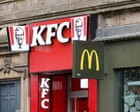
Parliamentary Committee Demands Fast Food Ban Near Schools
A comprehensive report from the Commons health committee will unveil radical proposals including a fast food ban near schools as part of a coordinated strategy to address the escalating obesity crisis affecting the United Kingdom. The legislative body intends to present these recommendations to government ministers, calling for immediate action against major fast food chains like KFC and similar establishments that currently operate in proximity to educational institutions.
Advertising Restrictions and Industry Accountability
Beyond implementing a fast food ban near schools, the committee has identified aggressive advertising campaigns as another critical factor contributing to poor dietary choices. Members recommend prohibiting junk food advertisements on billboards and throughout public transport networks, eliminating visible marketing that influences vulnerable populations, particularly children and adolescents.
The report emphasizes that the government must resist sustained lobbying efforts from the food industry, which consistently attempts to delay or water down regulatory measures designed to promote healthier consumption patterns.
Financial and Health Impact of the Obesity Epidemic
Obesity represents an unprecedented financial burden on the UK healthcare system, costing approximately £74 billion annually when accounting for direct medical expenses and productivity losses. Beyond monetary considerations, the condition generates substantial illness and diminished quality of life across multiple demographic groups, prompting urgent intervention from parliamentary health authorities.
Supermarket Display and Labeling Requirements
The committee proposes mandatory repositioning of fresh produce within retail environments, requiring supermarkets to prominently display fruits and vegetables near store entrances and checkout areas. This strategic placement aims to increase consumer awareness and boost purchasing of nutritious alternatives to processed foods.
Current labeling practices require modernization through universal implementation of front-of-pack traffic light systems. These color-coded indicators provide consumers with immediate visual assessment of nutritional content, clearly distinguishing between healthy and unhealthy food products. While certain supermarket chains have voluntarily adopted this labeling approach, the committee advocates for mandatory compliance across all retail outlets.
Transparency in Food Production and Sales Data
The government previously announced intentions to require food producers to disclose the percentage of revenue derived from healthy versus unhealthy product lines. The health committee urges expedited implementation of this transparency measure, believing that public awareness of corporate practices will drive meaningful change in industry behavior and product development priorities.
Government Action and Industry Resistance
Parliamentary members emphasize that ministers must demonstrate greater courage when confronting industry opposition and lobbying pressure. The food sector frequently mobilizes resources to obstruct, delay, or minimize regulatory initiatives that would restrict marketing of unhealthy products or limit accessibility through spatial restrictions like a fast food ban near schools.
These coordinated recommendations represent a multifaceted approach to obesity prevention, addressing supply-side restrictions, consumer information accessibility, retail environment design, and corporate accountability. The committee believes that comprehensive legislation addressing all these dimensions simultaneously offers the best opportunity to reverse obesity trends and improve public health outcomes across the nation.