
Portable Air Conditioners: How 90-Second Cooling Claims Deceive Consumers
Discover how misleading portable air conditioner ads claiming instant cooling are deceiving consumers. The ASA investigates false rapid cooling claims.
The Rise of Misleading Portable Air Conditioning Claims
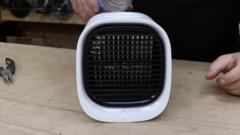
The market for portable air conditioners has exploded online, with countless vendors promoting devices that promise rapid cooling in as little as 90 seconds. These portable air conditioners have become increasingly popular as consumers seek affordable solutions to combat rising temperatures. However, regulatory bodies are now taking action against these exaggerated marketing tactics that have flooded social media platforms and e-commerce websites.
The Advertising Standards Authority (ASA) has launched an investigation into manufacturers and retailers who make unrealistic claims about the cooling capabilities of compact air conditioning units. Their findings suggest that many advertisements are fundamentally misleading consumers about what these devices can actually achieve in terms of room temperature reduction.
ASA's Investigation Into False Cooling Advertisements
According to the ASA's recent assessment, advertisements claiming that small portable air conditioners can rapidly cool rooms have crossed the line from optimistic marketing into outright deception. The regulatory body has identified a pattern of false promises that specifically target consumers looking for budget-friendly alternatives to traditional air conditioning systems.
The investigation reveals that vendors often use vague terminology and misleading visuals to suggest their portable air conditioners deliver performance that is simply not physically possible. Many ads showcase before-and-after scenarios that exaggerate the temperature reduction achievable within the timeframe mentioned in advertisements.
How These Portable Air Conditioners Actually Work
To understand why these claims are so misleading, it is essential to examine the actual mechanics of portable air conditioning units. Most devices marketed with dramatic cooling claims rely on evaporative cooling technology or simple air circulation rather than genuine refrigeration-based air conditioning.
These portable air conditioners typically use one or more of the following mechanisms:
Evaporative Cooling: Also known as swamp coolers, these units cool air by passing it through water-saturated pads. This method works best in dry climates and provides only minimal temperature reduction in humid environments.
Air Circulation: Some devices merely circulate existing air, creating the perception of cooling without actually lowering room temperature. This false sense of comfort has become a marketing goldmine for unscrupulous vendors.
Limited Refrigeration: Higher-end portable air conditioners do use actual refrigeration technology, but their cooling capacity is severely limited by their compact size and insufficient venting mechanisms.
The Reality Behind 90-Second Cooling Claims
The specific claim that portable air conditioners can cool rooms in 90 seconds is physically impossible according to thermodynamic principles. The ASA's investigation confirms that no portable unit at current price points can achieve meaningful room temperature reduction in such a short timeframe.
Room cooling requires removing and displacing heat energy, a process that depends on room size, insulation, external temperature, and humidity levels. A standard bedroom cannot be meaningfully cooled in less than several hours, even with professional-grade air conditioning equipment.
Impact on Consumers and Market Trust
These deceptive portable air conditioners advertisements have resulted in countless consumer complaints and returns. Frustrated buyers who purchased these devices based on exaggerated claims have flooded online review platforms with negative feedback, describing their portable air conditioners as ineffective and overpriced.
The proliferation of misleading advertisements has damaged consumer confidence in the entire portable cooling device market. Even legitimate manufacturers of functional portable air conditioners face skepticism from potential customers who have been burned by fraudulent claims.
Regulatory Response and Future Actions
The ASA has committed to taking enforcement action against vendors who continue to make unsubstantiated claims about their portable air conditioners. The regulatory body is working with e-commerce platforms to remove misleading advertisements and prevent further deception.
Consumers are advised to scrutinize claims about portable air conditioners carefully, research independent product reviews, and understand the limitations of compact cooling devices before making purchases. The regulatory actions against false portable air conditioner advertising represent an important step toward protecting consumers from misleading marketing practices that have proliferated across digital channels.